Europe’s landscape is a profound testament to centuries of conflict, offering deeply moving journeys for those interested in military history. From ancient battlefields to the stark realities of the World Wars, the continent’s past is etched into its cities, countryside, and memorials. This exploration delves into the best war history destinations in Europe, guiding you through sites that resonate with courage, sacrifice, and the enduring impact of human events. You’ll discover key locations where pivotal moments unfolded, learn about the historical significance of each place, and gain insights into how to approach these sensitive yet vital historical sites. Prepare to walk through history and understand the events that shaped the modern world.
Navigating Europe’s Battlefield Trails: A Strategic Overview
Europe’s landscape is a tapestry woven with centuries of conflict, offering profound historical journeys for military history enthusiasts. Understanding the breadth of these narratives is key to planning a meaningful trip. From ancient Roman legions to the trenches of World War I and the liberation of World War II, the continent’s past is inscribed in its cities, countryside, and memorials.
Understanding the Scope of European War History
The sheer volume of military history across Europe can be overwhelming. It spans millennia, encompassing everything from the Punic Wars that shaped the Mediterranean to the Napoleonic Wars that redrew political maps, and the devastating global conflicts of the 20th century. Each era left its indelible mark, creating distinct sites of remembrance and historical significance. Travelers can walk in the footsteps of Roman centurions, stand on medieval ramparts, or contemplate the sacrifices made on modern battlefields.
Key Eras and Conflicts to Explore
When planning a visit focused on war history, it’s helpful to identify specific periods or conflicts that capture your interest. The Roman Empire’s vast reach left behind impressive fortifications and archaeological sites, particularly in former provinces like Britain and along the Rhine and Danube rivers. The medieval period offers castles and battlegrounds from conflicts like the Hundred Years’ War.
However, the 20th century presents the most concentrated and poignant destinations. World War I sites, especially the Western Front in Belgium and France, are profoundly moving, featuring preserved trenches, cemeteries, and museums. World War II history is ubiquitous, with sites ranging from the D-Day beaches of Normandy to the concentration camps of Poland, the Eastern Front battlefields in Russia and Ukraine, and the major cities that endured intense bombing campaigns like London and Berlin.
Choosing Your Focus: From Ancient Wars to Modern Conflicts
Deciding on a specific focus can significantly enhance your travel experience. Are you drawn to the strategic brilliance of ancient military campaigns, the chivalry and brutality of medieval warfare, or the stark realities of modern industrial conflict? Each choice leads to different destinations and types of historical sites.
For instance, exploring ancient military history might lead you to Hadrian’s Wall in the UK or Roman ruins in Italy and North Africa. Medieval warfare enthusiasts might seek out the Tower of London or the castles of the Loire Valley.
The best war history destinations in Europe for many travelers often center on the World Wars due to their profound impact and the wealth of preserved sites. These destinations offer a tangible connection to events that shaped the modern world. For example, a trip to Normandy provides a comprehensive overview of the D-Day landings, while visiting sites in Poland offers a somber but essential understanding of the Holocaust.
Consider the type of experience you seek: immersive battlefield tours, reflective memorial visits, or in-depth museum explorations. This will help you narrow down the vast array of historical locations available across the continent.
Normandy, France: D-Day Landing Beaches and Airborne Operations
Normandy offers a profound journey into one of the 20th century’s most pivotal events: the D-Day landings and the subsequent Battle of Normandy. This region of northern France is a living museum, where the landscape itself tells the story of Operation Overlord. Visiting these sites provides a visceral connection to the courage and sacrifice of Allied forces. Understanding the sheer scale of the amphibious assault and the airborne operations that preceded it requires time to absorb the history at key locations.
Omaha Beach and Pointe du Hoc: Iconic Sites of the Invasion
Omaha Beach remains one of the most poignant and challenging sites of the D-Day landings. The expanse of the beach, coupled with the formidable German defenses, underscores the immense bravery required by American troops. Walking the sands here, one can easily imagine the intense fighting that unfolded on June 6, 1944. A short distance away, Pointe du Hoc presents a dramatic cliff face where U.S. Army Rangers scaled sheer rock walls under heavy fire to neutralize German artillery. The preserved German bunkers and bomb craters at Pointe du Hoc starkly illustrate the battle’s ferocity.
Utah Beach and Sainte-Mère-Église: Exploring the American Airborne Sector
Utah Beach, while also a landing site, experienced less intense initial resistance compared to Omaha. American forces here successfully secured their objectives, contributing significantly to the overall Allied success. Nearby, the charming town of Sainte-Mère-Église holds a special place in airborne history, famously depicted by the paratrooper dangling from the church steeple. The Airborne Museum in Sainte-Mère-Église vividly recounts the exploits of the 82nd and 101st Airborne Divisions, offering an immersive experience with aircraft and artifacts.
The Caen Memorial Museum: Understanding the Battle of Normandy
For a comprehensive overview of the entire Battle of Normandy, the Caen Memorial Museum is indispensable. This world-class museum goes beyond D-Day to cover the broader context of World War II and the Cold War. Its exhibits meticulously detail the military strategies, the human cost, and the geopolitical ramifications of the conflict. Interactive displays and poignant personal stories make the history accessible and deeply moving. It’s an essential stop for anyone seeking to grasp the full significance of the events that unfolded across the region.
Best Time to Visit Normandy for a Deeper Understanding
The peak tourist season in Normandy runs from June to August, coinciding with anniversary commemorations and pleasant weather. However, for a more reflective and less crowded experience, consider visiting in May or September. The weather is generally mild, and the historical sites are more accessible. Spring offers blooming landscapes, while autumn brings beautiful foliage, both enhancing the somber beauty of the battlefields. Traveling during these shoulder seasons allows for more personal reflection at the memorials and beaches.
Normandy Travel Considerations
| Aspect | Details |
|---|---|
| Getting There | Train from Paris to Caen or Bayeux; car rental highly recommended |
| Best For | History enthusiasts, families, battlefield tourists |
| Accommodation | Hotels in Caen, Bayeux; B&Bs near the coast |
| Budget | Mid-range; admission fees for museums and sites add up |
| Duration | Minimum 2-3 days to cover key sites |
Krakow, Poland: Echoes of World War II and the Holocaust
Krakow offers a profound and deeply moving encounter with Europe’s 20th-century history, particularly the events of World War II and the Holocaust. This historic Polish city, once a vibrant center of Jewish life, now stands as a crucial destination for understanding this dark chapter. Planning a visit requires emotional preparedness and careful logistical consideration.
Auschwitz-Birkenau Memorial and Museum: A Sobering Experience
No exploration of war history in Europe is complete without visiting the Auschwitz-Birkenau Memorial and Museum. Located about an hour and a half from Krakow, this former Nazi concentration and extermination camp is a stark testament to the atrocities committed. It’s essential to book guided tours in advance, as they provide crucial context and historical narrative. Allow a full day for this visit, and be prepared for an emotionally challenging experience. Many visitors opt for organized bus tours from Krakow for convenience, which often include transport and a guide.
Schindler’s Factory Museum: Stories of Survival
Steven Spielberg’s film “Schindler’s List” brought the story of Oskar Schindler and the Jews he saved to global attention. The former enamel factory, now the Schindler’s Factory Museum, offers an immersive exhibition detailing Krakow’s occupation under Nazi rule. The museum focuses not only on Schindler’s actions but also on the daily lives of Poles and Jews during the occupation, presenting a multifaceted view of wartime resilience and resistance. This museum is located in the Zablocie district, easily accessible by tram from Krakow’s Old Town.
Kazimierz (Jewish Quarter): Preserving Pre-War Life
Krakow’s Kazimierz district was once the heart of the city’s Jewish community for centuries. Before the war, it was a thriving hub of religious, cultural, and social life. Today, Kazimierz is a poignant reminder of what was lost. Visitors can wander through its atmospheric streets, visit historic synagogues like the Old Synagogue and Remuh Synagogue, and explore cemeteries that bear witness to a once-vibrant past. The district has since been revitalized and is now a popular area with charming cafes and cultural venues, but the historical weight of its past remains palpable.
Day Trips from Krakow: Tarnow and Other Historical Sites
Beyond the immediate city limits, several nearby locations offer further historical context. Tarnow, a town about an hour east of Krakow, has a well-preserved pre-war Jewish ghetto and a significant historical Jewish cemetery. It offers a less crowded yet equally impactful perspective on Jewish life and persecution during the war. For those interested in military history, exploring remnants of wartime fortifications or visiting smaller, local museums can provide a more intimate understanding of the conflict’s impact on the region. Planning these day trips often involves checking local transport schedules or arranging private car services.
The Somme, France: Reliving the Horrors of the Great War
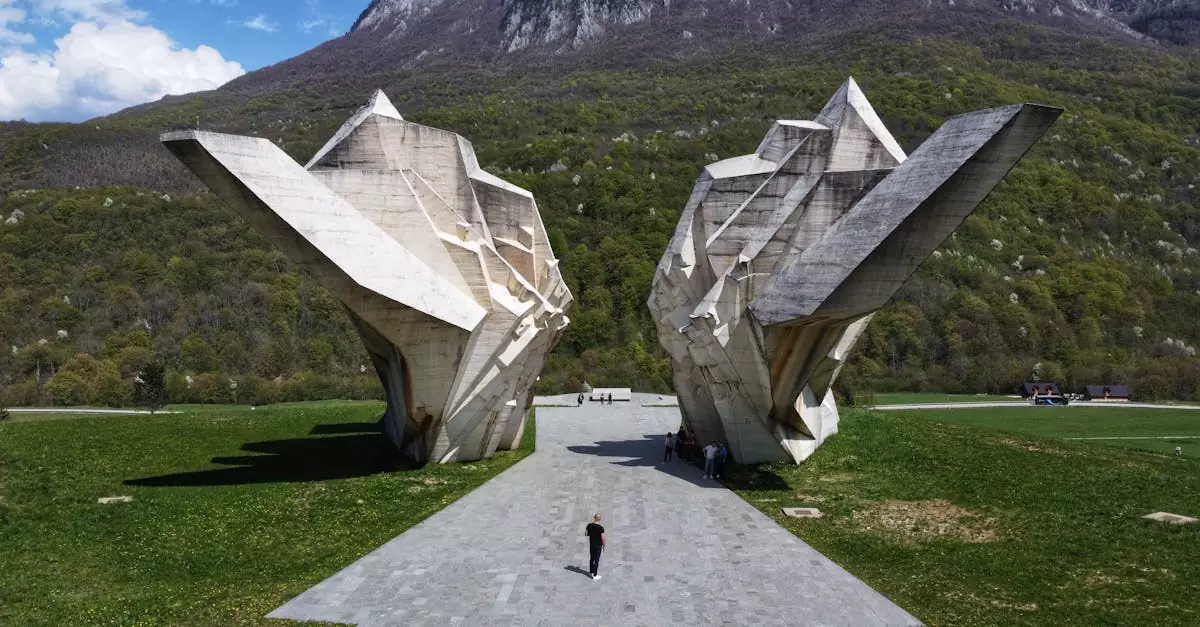
The Somme region in northern France stands as a poignant testament to the brutal realities of World War I. This area bore witness to one of the bloodiest battles in human history, and visiting today offers a profound, albeit somber, opportunity to connect with that past. The rolling landscapes, now dotted with memorials and preserved trenches, invite reflection on the immense scale of sacrifice. For those seeking to understand the impact of the Great War, the Somme is among the most significant war history destinations in Europe.
Thiepval Memorial to the Missing and Ulster Tower
The Thiepval Memorial to the Missing is an imposing structure, dominating the skyline and serving as a stark reminder of the 72,000 British and South African soldiers whose bodies were never identified. Its vast arches and endless rows of names are overwhelming, designed to honor those lost without graves. Nearby, the Ulster Tower offers a different perspective, a replica of a medieval Scottish tower, which served as a key observation post for the 36th (Ulster) Division. Standing here, one can visualize the battlefield and comprehend the strategic importance of the terrain.
Lochnagar Crater and Newfoundland Memorial Park
The scars of artillery remain visible across the Somme landscape. Lochnagar Crater, a massive explosion crater over 300 feet wide, was created by a British mine detonated on July 1, 1916. It is a dramatic and sobering sight, illustrating the sheer destructive power unleashed. Adjacent to it, the Newfoundland Memorial Park at Beaumont-Hamel commemorates the sacrifice of the Royal Newfoundland Regiment, which suffered devastating losses on the first day of the battle. The park meticulously preserves trenches, mines, and shell-hole ravaged ground, offering an unparalleled glimpse into trench warfare.
Peronne and the Historial de la Grande Guerre
For a comprehensive understanding of the conflict, a visit to the Historial de la Grande Guerre in Peronne is essential. This museum provides a human-centered narrative of WWI, moving beyond simple military history to explore the experiences of soldiers and civilians from all participating nations. Its exhibits are thoughtfully curated, offering context and depth to the physical sites found across the region. The town of Peronne itself, largely rebuilt after the war, also holds historical significance as a strategic stronghold.
Cycling the Somme: An Immersive Itinerary
Exploring the Somme by bicycle offers a deeply personal and immersive way to connect with its history. This approach allows for a more intimate pace, enabling visitors to pause at smaller, less-visited memorials and truly absorb the atmosphere of the countryside. A well-planned cycling route could link key sites like Thiepval, the Ulster Tower, and the Lochnagar Crater, with overnight stays in charming local villages.
Here’s a sample itinerary to consider:
| Day | Focus | Key Sites | Accommodation Base |
|---|---|---|---|
| 1 | Arrival & Western Front | Thiepval Memorial, Ulster Tower | Albert |
| 2 | The Big Push | Lochnagar Crater, Newfoundland Park | Albert |
| 3 | Museum & Town | Peronne, Historial de la Grande Guerre | Peronne |
Cycling requires a moderate level of fitness, and it’s advisable to rent a suitable bike in advance. The roads are generally quiet, but always be aware of local traffic. Carrying water and snacks is recommended, as amenities can be spread out. The best time for cycling is typically from late spring to early autumn, avoiding the colder, wetter months.
Berlin, Germany: A City Shaped by Conflict and Division
Berlin stands as a profound testament to Europe’s tumultuous 20th century. Its history is etched into its very fabric, from the scars of World War II to the stark realities of the Cold War. Visiting Berlin offers an unparalleled opportunity to confront and understand these defining periods, making it one of the most compelling war history destinations in Europe. The city’s resilience and transformation are palpable, providing a deeply moving and educational travel experience.
The Brandenburg Gate and Reichstag Building: Symbols of Power and Resilience
The Brandenburg Gate, once a symbol of division, now represents German reunification and peace. Its imposing Neoclassical architecture has witnessed centuries of historical upheaval, from Napoleonic parades to Nazi rallies and the jubilant celebrations of the fall of the Berlin Wall. Adjacent to it, the Reichstag Building, home to the German Parliament, also carries immense historical weight. Its dome, a modern addition, offers panoramic views of the city and serves as a potent symbol of transparency and democracy rising from the ashes of conflict.
The Berlin Wall Memorial and East Side Gallery: Confronting the Cold War
No exploration of Berlin’s war history is complete without understanding the Cold War’s impact. The Berlin Wall Memorial on Bernauer Strasse provides a somber and comprehensive look at the Wall’s construction, the desperate escape attempts, and the lives it fractured. Here, you can see preserved sections of the Wall, a watchtower, and an open-air exhibition detailing personal stories. For a more artistic perspective, the East Side Gallery transforms a remaining stretch of the Wall into an international memorial for freedom, featuring over 100 murals painted by artists from around the globe.
Topography of Terror: Nazi Documentation Center
Located on the site of the former Gestapo and SS headquarters, the Topography of Terror is a crucial museum for understanding the rise and mechanisms of Nazi power. Its outdoor and indoor exhibitions meticulously document the crimes committed by the Nazi regime, offering a stark and unflinching account of the period. This site is essential for anyone seeking to grasp the full scope of World War II’s origins and the atrocities that defined it.
Exploring Berlin’s WWII Sites: Bunkers and Memorials
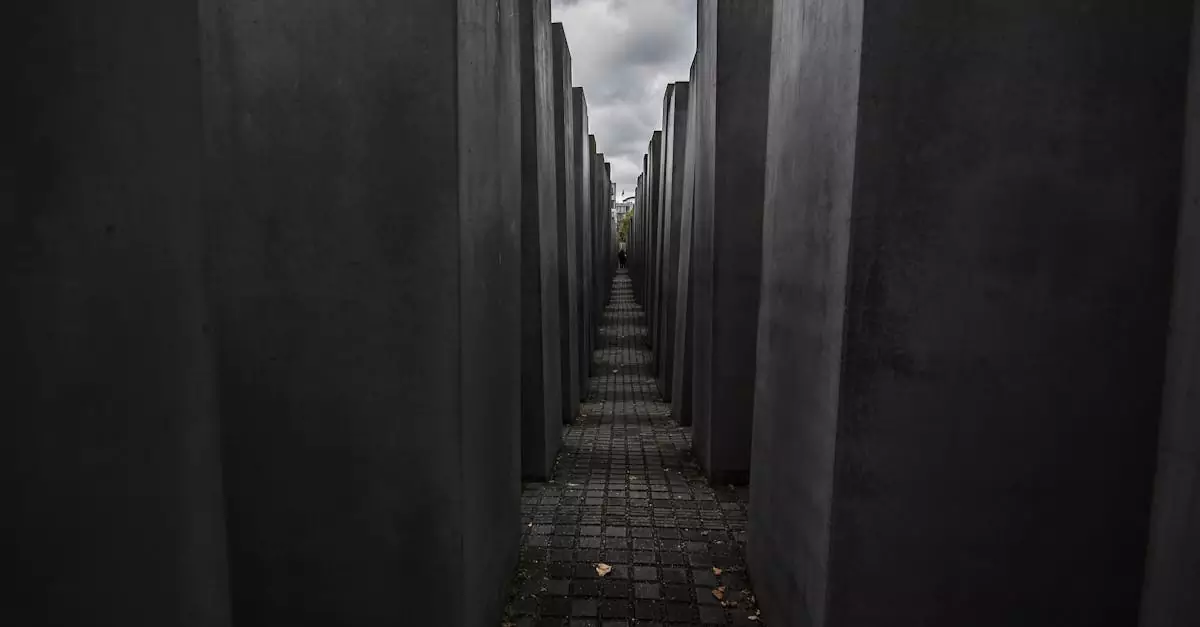
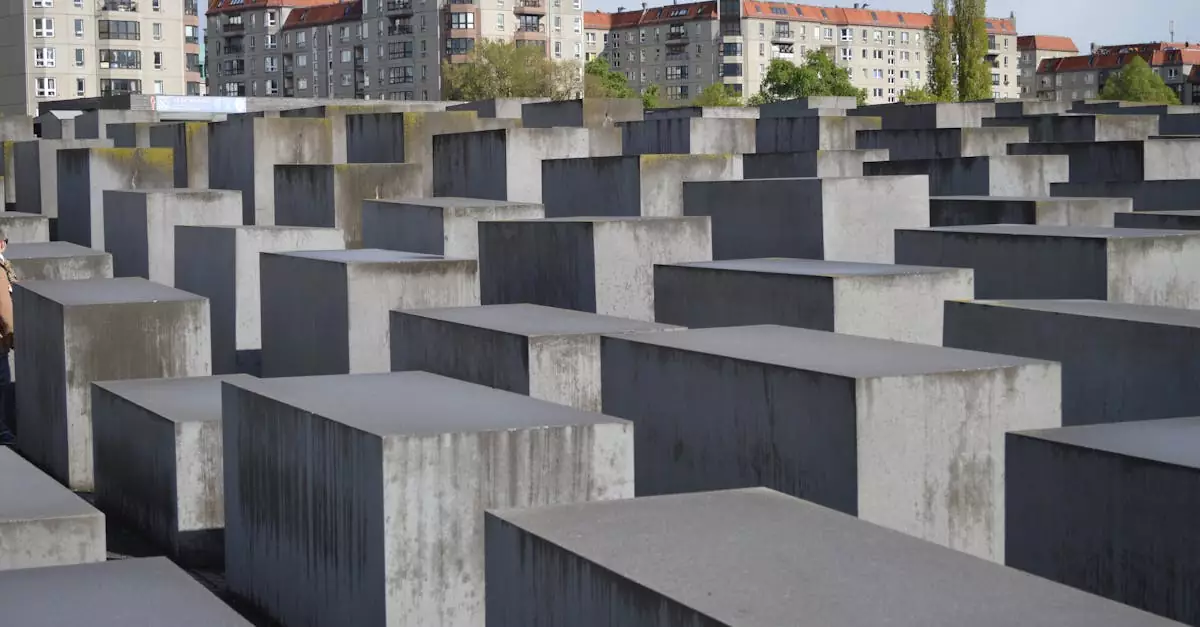
Beyond the major landmarks, Berlin is dotted with numerous sites related to World War II. Visitors can tour preserved bunkers, such as the Berliner Unterwelten, which offer a glimpse into civilian life during air raids and the strategic planning of the war. Memorials like the Memorial to the Murdered Jews of Europe, with its field of concrete stelae, provide a powerful space for reflection. The German Historical Museum also offers extensive exhibits on the war. Planning your visits to these sites can be logistically demanding; consider purchasing a Berlin Pass for potential savings on entry fees and public transport.
| Site | Focus | Estimated Visit Time |
|---|---|---|
| Brandenburg Gate | Reunification, resilience | 1-2 hours |
| Reichstag Building | Parliament, democracy | 2-3 hours (with tour) |
| Berlin Wall Memorial | Cold War division, escape attempts | 2-3 hours |
| East Side Gallery | Art, freedom, Cold War remembrance | 1-2 hours |
| Topography of Terror | Nazi regime documentation, SS/Gestapo HQ | 2-3 hours |
| Berliner Unterwelten | WWII bunkers, civilian life during raids | 1-2 hours (per tour) |
| Memorial to the Murdered Jews of Europe | Holocaust remembrance, reflection | 1-2 hours |
Getting around Berlin is straightforward thanks to its efficient public transportation system. The U-Bahn (subway) and S-Bahn (urban rail) are excellent for covering longer distances, while trams and buses serve local neighborhoods. Many of the historical sites are also within walking distance of each other in certain districts, particularly in Mitte. For a comprehensive overview of the city’s war history, allocate at least three to four full days.
Frequently Asked Questions About Europe’s War History Destinations
What are the best war history destinations for families in Europe?
For families, sites that balance solemn remembrance with accessible interpretation are key. Normandy, France, with its D-Day beaches and the Caen Memorial Museum, provides a comprehensive overview suitable for various ages. The museum features interactive exhibits, and the beaches themselves can serve as a powerful, albeit somber, educational experience. In Poland, Auschwitz-Birkenau, while intensely moving, is often visited by older children and teenagers with prior preparation, focusing on remembrance and the lessons of history. The Warsaw Uprising Museum also offers a compelling narrative with modern displays that can engage younger visitors.
How can I best travel between these historical sites?
Inter-city travel across Europe is highly efficient, with extensive rail networks connecting major capitals and historical hubs. For example, traveling from Paris to Normandy is easily done by train, and from there, renting a car or utilizing local bus tours is recommended for reaching specific D-Day sites. Visiting multiple countries, such as France and Poland, often involves budget airlines for longer distances, which can be cost-effective if booked in advance. Within cities, public transport, including trams, buses, and metro systems, is generally excellent and affordable.
| Travel Method | Typical Use Case | Pros | Cons |
|---|---|---|---|
| High-Speed Rail | Inter-city travel (e.g., Paris-Berlin) | Fast, comfortable, scenic | Can be expensive, requires booking ahead |
| Budget Airlines | Long-distance travel between countries | Affordable, time-saving | Airport transfers, baggage fees, less legroom |
| Rental Car | Local exploration (e.g., Normandy beaches) | Flexibility, access to remote sites | Parking challenges, navigation, fuel costs |
| Public Transport | Intra-city travel | Economical, convenient, eco-friendly | Can be crowded, route planning required |
What should I pack for visiting European war memorials?
Comfortable walking shoes are essential, as many sites involve significant walking, often on uneven terrain. Layers of clothing are advisable, as weather in Europe can change rapidly, regardless of the season. Pack a lightweight, waterproof jacket and consider bringing a small backpack for essentials like water, snacks, and a camera. For more somber sites like concentration camps, dressing respectfully is also important, avoiding overly casual or revealing attire.
Are there any hidden gem war history sites in Europe?
Beyond the well-known destinations, several lesser-known sites offer profound historical insights. The Mémorial de Caen in Normandy, while not entirely hidden, is often overshadowed by the beaches themselves but provides an exceptional overview. In Germany, the former East German border crossing at Checkpoint Charlie in Berlin, though a popular spot, offers a tangible connection to the Cold War. For a different perspective, the Imperial War Museum in London provides a comprehensive look at 20th-century conflict from a British viewpoint, often overlooked by those focusing solely on continental European history.