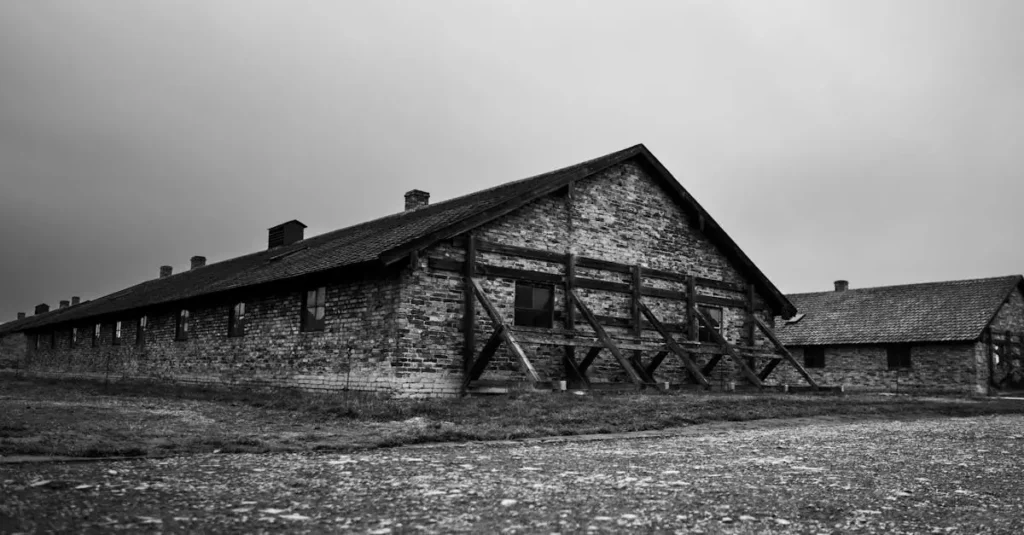
Europe is a continent rich in history, and its World War II museums offer deep insights into one of the 20th century’s most significant conflicts. Visiting these sites provides a tangible connection to the past, highlighting the enormity of events, the resilience of the human spirit, and the lessons that endure. From the iconic beaches of Normandy to the solemn memorials in Berlin, these institutions preserve essential narratives and artifacts.
This guide will help you explore the best WWII museums in Europe. You’ll discover impactful locations, key exhibits and artifacts to seek out, and practical advice for planning your historical journey. Whether you’re a history enthusiast or looking to understand the war’s legacy, these museums offer essential and moving experiences.
Uncover the Most Impactful WWII Museums Across Europe
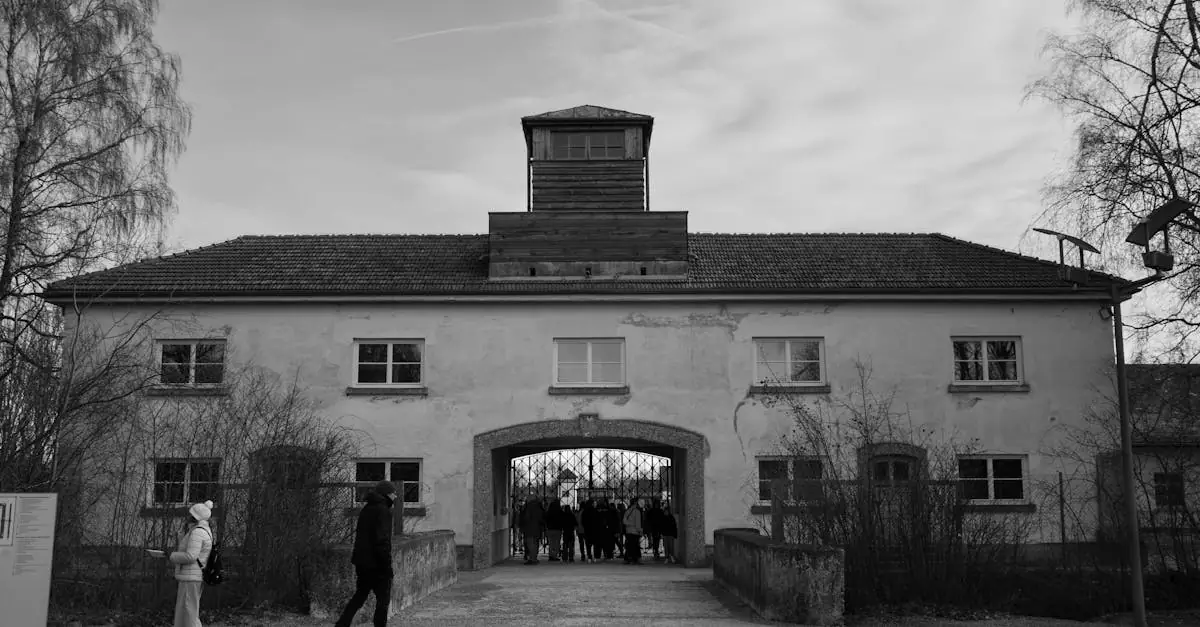
Europe boasts a remarkable collection of sites that commemorate the Second World War. Visiting these locations deepens your understanding of the conflict’s scale and impact, as well as the resilience of those affected. From the beaches where history unfolded to the cities that witnessed immense struggle, these museums provide critical historical context and heartfelt tributes. Planning a journey to these sites can be emotionally resonant, revealing insights into courage, sacrifice, and enduring lessons from the past.
Normandy’s D-Day Landing Beaches and Museums
The Normandy region in France is closely tied to a pivotal moment in WWII: the D-Day landings of June 6, 1944. This stretch of coastline, featuring Utah, Omaha, Gold, Juno, and Sword beaches, is now home to numerous museums and memorials dedicated to the Allied invasion. The Musée Mémorial de la Bataille de Normandie in Bayeux offers a comprehensive overview of the campaign through maps, dioramas, and artifacts. Nearby, the Overlord Museum focuses on the equipment and vehicles used by Allied forces.
Travelers can walk the landing beaches, gaining a sense of the operation’s scale. The American Cemetery at Colleville-sur-Mer serves as a solemn stop, honoring fallen American soldiers. For military history enthusiasts, these sites are a pilgrimage. Allow at least two full days to fully appreciate the significance of the beaches and their associated museums. Public transport can be challenging between these dispersed sites, so renting a car or booking a guided tour is highly recommended for efficient exploration.
The Imperial War Museum London: A Comprehensive Overview
Located in London, the Imperial War Museum provides a detailed look at 20th and 21st-century conflicts, with a significant focus on World War II. Its extensive collection includes personal accounts, photographs, and iconic military hardware like tanks and aircraft. The museum’s approach emphasizes the experiences of both civilians and soldiers.
The “Horrible Histories” exhibition, aimed at younger audiences, offers accessible insights into wartime life. For adults, exhibits on the Blitz and the Holocaust are particularly impactful. The museum is easily accessible via public transport in the South Bank area. Admission is free, making it an essential stop for anyone interested in Britain’s role and the broader impact of the war. Plan for at least half a day to explore its diverse galleries.
Berlin’s Top WWII Sites: From the Reichstag to Memorials
Berlin, as the former capital of Nazi Germany, holds immense historical significance. The Deutsches Historisches Museum (German Historical Museum) provides a sweeping overview of German history, including extensive exhibits on the rise of Nazism and the war years. A visit to the Reichstag Building offers both architectural grandeur and insights into its tumultuous history, including the fire that aided Nazi power consolidation.
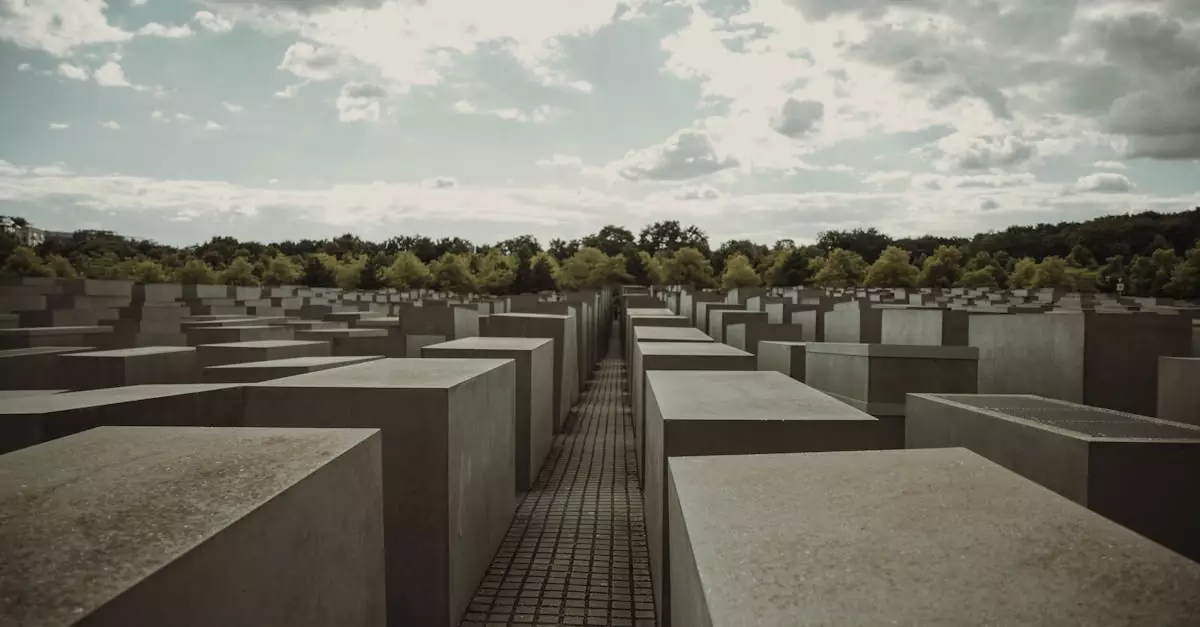
The Memorial to the Murdered Jews of Europe is a profoundly moving site for remembrance, inviting personal reflection on the Holocaust’s atrocities. For a direct look at the war’s impact on the city, the Topography of Terror documentation center, located on the former site of the Gestapo and SS headquarters, offers chilling historical evidence. Berlin’s public transportation system is excellent, facilitating easy travel between these significant historical points.
Krakow’s Schindler’s Factory Museum: A Story of Courage
Oskar Schindler’s Factory Museum in Krakow, Poland, is housed in the former enamel factory where Schindler employed over a thousand Jewish workers during the Nazi occupation, saving them from deportation to extermination camps. Officially titled “Krakow Under Nazi Occupation 1939-1945,” the museum uses the factory setting to narrate the broader story of Krakow during the war, with Schindler’s list of workers as a central narrative thread.
This museum provides a deeply personal perspective on the war, highlighting acts of bravery amidst widespread persecution. It’s a vital complement to understanding the broader European conflict. Located in the Zabłocie district, it’s easily reachable by tram from Krakow’s city center. Allocate at least three hours for a thorough visit, as the exhibits are rich with information and personal stories. The museum’s focus on human resilience offers a powerful counterpoint to the war’s immense destruction.
Beyond the Major Sites: Lesser-Known WWII Gems in Europe
While iconic landmarks like Normandy’s beaches and Berlin’s memorials attract significant attention, Europe is home to numerous other profound sites that offer critical insights into World War II. These institutions often provide focused or regional perspectives, detailing specific battles, the experiences of occupied populations, or specialized military actions. For travelers seeking a deeper understanding of the conflict beyond the most famous locations, these lesser-known museums are invaluable. They present compelling narratives and artifacts that enrich the historical landscape of the war in Europe.
The Bastogne War Museum, Belgium: Understanding the Battle of the Bulge
Located in the Ardennes, the Bastogne War Museum offers a poignant look at the Battle of the Bulge, a brutal winter offensive launched by Germany in late 1944. This museum transcends a simple chronological account, utilizing immersive exhibits, personal testimonies, and an impressive collection of artifacts to convey the human cost of this intense engagement. Visitors gain a tangible sense of the conditions faced by soldiers and civilians alike.
The museum’s design facilitates a comprehensive understanding of the battle’s strategic importance and its devastating impact on the region. Interactive displays and a 360-degree film projection enhance the visitor experience, bringing history to life. Planning a visit in late autumn or early spring can provide milder weather for exploring surrounding battlefield sites, though winter offers a stark, atmospheric context. Access is typically by car, with ample parking available.
The National Military Museum, Netherlands: Dutch Resistance Stories
The National Military Museum (NMM) in Soesterberg, Netherlands, offers a broad overview of Dutch military history, with a significant focus on World War II. It highlights the courage and resilience of the Dutch people, particularly the Resistance movement, whose clandestine efforts played a crucial role in undermining the occupation. The museum’s collection includes aircraft, vehicles, and personal accounts illustrating various aspects of the war effort.
Beyond military hardware, the NMM excels in presenting the human element of conflict. Stories of espionage, sabotage, and survival under occupation are woven into the exhibits. The museum is easily accessible by public transport from major Dutch cities like Utrecht and Amsterdam, making it a convenient addition to a regional itinerary. Allocate at least half a day to fully appreciate the depth of the exhibits.
The National Museum of the Royal Air Force, UK: Aviation Warfare
While not exclusively a WWII museum, the National Museum of the Royal Air Force (RAF) at RAF Cosford in Shropshire, England, features extensive exhibits on the critical role of air power during the war. This includes iconic aircraft like the Spitfire and Hurricane, which were instrumental in the Battle of Britain, alongside displays detailing strategic bombing campaigns and the bravery of aircrews. The scale of the aircraft on display is impressive, providing a unique perspective on aerial combat.
The museum effectively communicates technological advancements and the immense human effort involved in the air war. It’s a journey through aviation history, emphasizing the RAF’s evolution and its contributions to Allied victory. The site is accessible by train from Wolverhampton or Birmingham, with the museum just a short walk from Cosford station. For those interested in the technological and aerial dimensions of WWII, this museum is a must-see.
Planning Your WWII Museum Pilgrimage in Europe
Embarking on a journey to Europe’s most significant World War II museums requires thoughtful planning. Understanding the best times to visit, efficient travel methods, and realistic budgeting will enhance your historical exploration, making it seamless and enriching. This guide provides practical insights to help you navigate the complexities of planning a European history tour focused on the Second World War.
Best Months to Visit Europe’s WWII Museums for Optimal Weather
The timing of your visit can significantly affect your comfort and enjoyment while exploring historical sites across Europe. Generally, the shoulder seasons offer a pleasant balance of good weather and fewer crowds, making them ideal for museum visits.
- Spring (April to May): Many regions experience mild temperatures, blooming landscapes, and noticeably fewer tourists compared to peak summer. This is an excellent time for outdoor memorials and navigating city streets between museum visits.
- Autumn (September to October): Like spring, autumn provides comfortable weather, often with vibrant fall colors. Museum halls are typically less crowded, allowing for a more contemplative experience.
Summer (June to August) can be very warm, especially in Southern and Central Europe, coinciding with peak tourist season, resulting in longer queues and higher prices. Winter (November to March) offers the fewest crowds and lowest prices, but cold weather and shorter daylight hours can limit outdoor activities and may lead to museum closures or reduced hours.
Navigating Europe: Trains, Flights, and Car Rentals for Museum Hopping
Efficient transportation is key to maximizing your time when visiting multiple WWII museums across different countries. Europe’s well-developed infrastructure offers several convenient options.
High-speed rail networks connect major cities, providing a comfortable and scenic way to travel between countries like France, Germany, Belgium, and the Netherlands. Booking train tickets in advance, especially for popular routes, can secure better prices. For longer distances or to reach more remote locations, budget airlines offer competitive fares, but it’s crucial to factor in airport transfer times and costs.
Renting a car provides the most flexibility, particularly for accessing smaller towns or specific historical sites off the main tourist trails. However, consider parking challenges and costs in major cities, as well as differing driving regulations across countries.
A combination of these methods often proves most effective. For instance, using trains for inter-city travel and renting a car for day trips from a central base can offer a good balance of convenience and exploration.
Budgeting for Your European WWII History Tour
The cost of a WWII museum pilgrimage in Europe varies widely depending on your travel style, the countries you visit, and the duration of your trip. A realistic budget should account for several key areas.
Accommodation: Options range from budget-friendly hostels and guesthouses to mid-range hotels and luxury stays. Cities like Berlin and Krakow tend to be more affordable than Paris or London.
Transportation: Train passes, individual flight tickets, car rental fees, fuel, and local public transport all contribute to the overall travel expense.
Museum Entrance Fees: While many museums charge modest entry fees, special exhibitions or combined tickets can add up. Some sites, like the Normandy American Cemetery, are free to enter.
Food and Drink: Dining out can vary from inexpensive local eateries and markets to fine dining experiences.
Miscellaneous: This category includes souvenirs, travel insurance, and unexpected expenses.
A rough estimate for a moderate budget might range from €100-€200 per person per day, excluding major international flights to Europe. Planning a detailed itinerary and booking in advance can help manage costs effectively.
What Are the Must-See Artifacts and Exhibits at Europe’s Best WWII Museums?
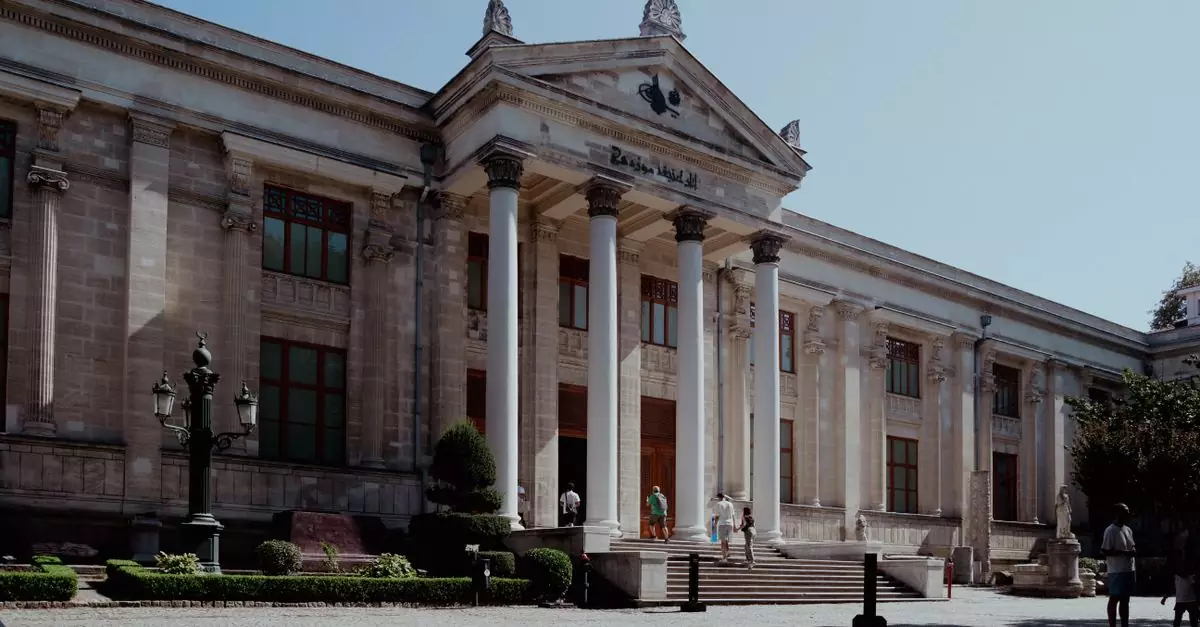
Europe’s World War II museums offer poignant reminders of the past through diverse artifacts and personal accounts. These institutions meticulously preserve objects that narrate stories of conflict, resistance, and resilience. Planning a visit often involves understanding which key items to look for, significantly enriching the experience.
Iconic Artifacts at the Caen Memorial Museum
The Caen Memorial Museum in Normandy, France, stands as a powerful testament to World War II and the pursuit of peace. Among its most striking exhibits are original uniforms worn by Allied and Axis soldiers, providing a tangible connection to those who fought. Visitors can also view personal letters and diaries that offer intimate glimpses into the lives of civilians and combatants alike.
A standout artifact is the preserved fragment of the Berlin Wall, symbolizing the division and eventual reunification that followed the war’s geopolitical shifts. The museum’s extensive collection of photographs and film footage from the era further immerses visitors in the historical context, making it a comprehensive destination for understanding the war’s impact on Europe.
Personal Stories and Testimonies at the Anne Frank House
The Anne Frank House in Amsterdam, Netherlands, offers a profoundly moving experience centered on personal testimony. The museum is the actual building where Anne Frank and her family hid from Nazi persecution during World War II. Walking through the secret annex, visitors can see the cramped living conditions and poignant hiding places.
The most significant exhibit is Anne Frank’s original diary, a globally recognized symbol of hope and the human spirit amidst unimaginable adversity. While the museum focuses less on military hardware, its strength lies in its powerful human narrative. Advance booking is essential, as tickets often sell out months in advance.
Military Hardware and Technology Showcases
For those interested in the mechanics and scale of the conflict, several European museums excel in showcasing military hardware and technology. The Imperial War Museum in London features an impressive array of tanks, aircraft, and artillery, detailing the evolution of warfare during the 20th century. Visitors can see iconic pieces like a Spitfire fighter plane and a German Tiger tank.
Similarly, the National Military Museum in Soesterberg, Netherlands, presents a vast collection of military vehicles, aircraft, and weaponry. These exhibits often include detailed explanations of their operational use and technological advancements. Such displays provide a crucial understanding of the industrial and strategic dimensions of World War II, complementing the more personal stories found elsewhere. Planning a visit to these sites often requires allocating significant time due to the sheer volume of exhibits.
Maximizing Your Visit: Tips for Experiencing WWII History
Visiting the best WWII museums in Europe offers profound historical insights, but thoughtful planning ensures a more impactful and respectful experience. These sites often require significant time to fully appreciate, and understanding local customs and practicalities can enhance your journey.
Recommended Itineraries for a Week in Normandy’s WWII Sites
For those focusing on the D-Day landings and their aftermath, a week in Normandy provides ample opportunity to cover key locations. Consider dedicating two days to the Utah and Omaha beach sectors, including visits to the Airborne Museum in Sainte-Mère-Église and the Omaha Beach Memorial Museum. The following three days could be spent exploring the Caen Memorial Museum and the surrounding area, perhaps including a visit to the Falaise Pocket. The final two days might involve a deeper dive into sites like the Arromanches 360 Cinema and the American Cemetery at Colleville-sur-Mer. This structured approach allows for a comprehensive understanding of the events that unfolded in this pivotal region.
Photography Tips for Capturing Somber Historical Locations
When photographing sites of historical significance, particularly those related to World War II, a sensitive approach is essential. Focus on capturing the atmosphere and scale of the locations rather than sensationalizing them. Wide-angle lenses can effectively convey the vastness of battlefields or memorials, while telephoto lenses can highlight poignant details on monuments or within exhibits. Always be mindful of your surroundings and other visitors. Avoid intrusive flash photography, especially in indoor exhibits where it can damage artifacts or disrupt the mood.
Respectful Visitor Etiquette at Memorials and Museums
Maintaining decorum at memorials and museums is paramount when engaging with sites dedicated to WWII history. These are not mere tourist attractions but places of remembrance and solemn reflection. Keep conversations hushed, especially in areas with personal accounts or exhibits detailing human suffering. Avoid eating or drinking in exhibition halls, and always adhere to specific museum rules regarding photography or touching artifacts. At cemeteries and memorials, dress modestly and refrain from loud behavior. Showing respect for the sacrifices commemorated is essential for both personal reflection and honoring the memory of those affected by the war.
Frequently Asked Questions About Visiting European WWII Museums
Are advanced tickets required for popular WWII museums in Europe?
For many sought-after WWII museums across Europe, purchasing tickets in advance is highly recommended, especially during peak tourist seasons (summer and around holidays). Popular sites like the Anne Frank House in Amsterdam or the Caen Memorial Museum in France often sell out days or even weeks ahead. Booking online not only secures your entry but also helps you bypass potentially long queues, saving valuable time during your visit. Always check the official museum website for specific ticketing policies and recommendations.
What is the average cost of admission to these museums?
Admission prices for WWII museums in Europe can vary significantly. Generally, you can expect to pay between €10 and €25 for an adult ticket. Some smaller or regional museums may be less expensive, while larger, more comprehensive institutions or those with special exhibitions could charge more. Concession rates for students, seniors, and children are often available. Consider purchasing city passes if you plan to visit multiple attractions, as they can sometimes include museum entry and offer cost savings.
Are these museums suitable for children?
The suitability of WWII museums for children depends heavily on their age and maturity level, as well as the specific museum’s content and presentation. Many museums offer educational programs and exhibitions designed for younger audiences. However, the subject matter can be sensitive and graphic, involving depictions of war, violence, and the Holocaust. It’s advisable to research the museum’s specific exhibits beforehand and consider whether the content is appropriate for your children. Museums like the Overlord Museum in Normandy, with its dioramas, might be more accessible for younger visitors than those with intensely graphic displays.
What are the best day trips from Paris to WWII historical sites?
While Paris itself has significant WWII history, including the Mémorial des Martyrs de la Déportation, many crucial historical sites are located outside the city. A popular day trip or overnight excursion is to the Normandy landing beaches, approximately a 2.5 to 3-hour drive from Paris. This region offers a profound connection to D-Day, with sites like Omaha Beach, the American Cemetery at Colleville-sur-Mer, and various museums detailing the invasion. Another option is to visit sites related to the liberation of Paris, though these are often more integrated into the city’s urban landscape.