While the Leaning Tower of Pisa undoubtedly captivates visitors, Italy is home to a surprising number of other tilted structures, each with its own unique story. Beyond this iconic Tuscan landmark, a journey through the country reveals an intriguing array of gravity-defying architecture, offering deeper insights into regional history and engineering. If you’re curious about these architectural curiosities, exploring Italy’s leaning towers extends far beyond a single, world-famous monument. This guide will take you off the beaten path to uncover these lesser-known marvels, detailing where to find them, what causes their tilt, and how to best experience them. Prepare to be charmed by the unexpected inclines that dot the Italian landscape.
The Iconic Leaning Tower of Pisa: More Than Just a Photo Op

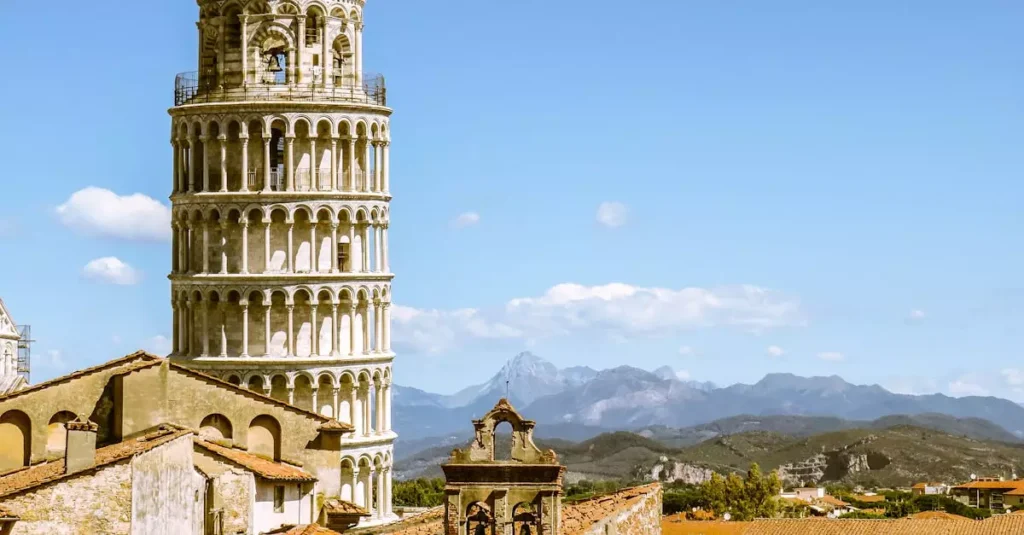
The Leaning Tower of Pisa is one of Italy’s most recognizable landmarks, attracting millions of visitors each year. While the quintessential photo of pretending to hold up the tower is a rite of passage for many, the experience offers much more. Located in the heart of Tuscany, this bell tower is a marvel of medieval engineering and a testament to architectural ambition. Its famous tilt, caused by an unstable foundation, has fascinated people for centuries and continues to draw travelers from across Europe.
Climbing the Leaning Tower of Pisa: Tickets and Experience
Ascending the Leaning Tower of Pisa is a unique experience that requires advance booking, especially during peak season. Tickets are timed, and entry is strictly controlled to manage visitor numbers and preserve the structure. The climb involves 296 steps; while not overly strenuous, the significant lean can be disorienting for some. You’ll feel the gentle slope underfoot as you make your way up. Once at the top, the views over Pisa are rewarding, offering a fresh perspective of the city and the Arno River. Photography is permitted inside, but be mindful of other visitors.
What to See and Do in Piazza dei Miracoli, Pisa
The Leaning Tower is the star attraction, but the entire Piazza dei Miracoli (Square of Miracles) is a UNESCO World Heritage site filled with architectural wonders. Adjacent to the tower is the Duomo di Pisa, a stunning Romanesque cathedral with intricate marble detailing and impressive frescoes. Don’t miss the Baptistery, the largest in Italy, known for its exceptional acoustics. The Camposanto Monumentale, a cloistered cemetery, offers a serene atmosphere and beautifully preserved medieval frescoes. Allow at least half a day to fully appreciate the grandeur of this complex. Many visitors find Pisa a worthwhile day trip from Florence or other Tuscan towns.
Best Time to Visit Pisa’s Leaning Tower to Avoid Crowds
To experience the Leaning Tower of Pisa with fewer crowds, aim for early morning or late afternoon, particularly during the shoulder seasons of spring (April-May) and autumn (September-October). Weekdays are generally less busy than weekends. Visiting outside the summer months (June-August) will enhance your experience, allowing for relaxed exploration of the piazza and a less hurried climb up the tower. While the tower itself is always open, the surrounding piazza can feel packed during midday, especially when cruise ship excursions are in port. Booking your tower tickets for one of the first slots of the day can help you beat the initial rush.
Unveiling the Secret Leaning Towers of Italy
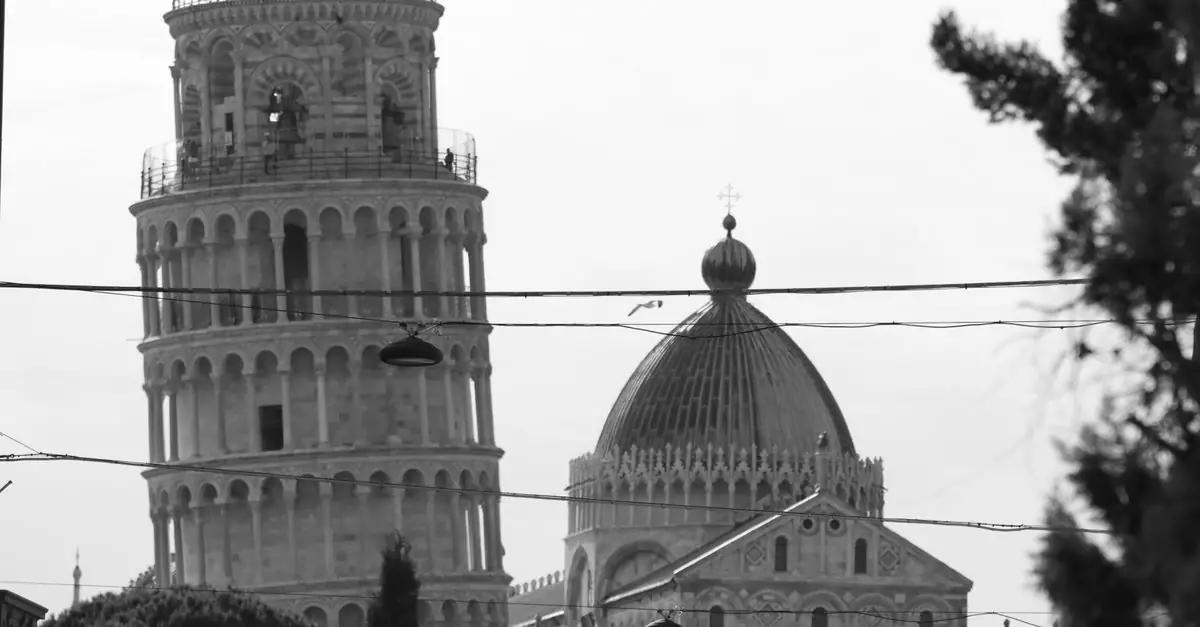
While the iconic Leaning Tower of Pisa draws millions, Italy boasts a fascinating array of other tilted structures, each with its own story and charm. These lesser-known leaning towers offer a more intimate glimpse into Italian history and architecture, often without the overwhelming crowds. Venture beyond the usual tourist trail to discover these captivating, gravity-defying monuments.
The Leaning Tower of Bologna: Asinelli vs. Garisenda
Bologna, a city renowned for its porticoes and culinary delights, is also home to two of Italy’s most famous leaning towers, collectively known as “Le Due Torri.” The Asinelli Tower, the taller of the two, leans at a modest 1.3 degrees. Visitors can climb its 498 steps for panoramic views of Bologna and the surrounding Emilia-Romagna region. In contrast, the Garisenda Tower, much shorter, leans at a dramatic 4 degrees, making it appear precariously tilted. Its steep angle has led to its closure to the public for safety reasons, adding to its mystique.
Constructed in the 12th century, these towers were symbols of power and wealth for noble families. Today, they stand as proud landmarks, offering a unique architectural experience distinct from Pisa. Reaching the towers is straightforward; they are centrally located in Bologna’s historic heart, easily accessible on foot from most accommodations.
Discovering the Leaning Bell Tower of San Giorgio in Carpi
In the small city of Carpi, near Modena, stands the Leaning Bell Tower of San Giorgio. This campanile, part of the Duomo Vecchio (Old Cathedral), leans significantly due to historical subsidence issues. While not as famous as its Pisan or Bolognese counterparts, its tilt is pronounced and visually striking against the Renaissance architecture of the piazza.
The tower’s lean serves as a subtle reminder of the geological challenges faced by many Italian cities. Visiting Carpi offers a chance to experience a more authentic, less tourist-centric Italian town. The tower is easily viewed from Piazza Grande, the city’s main square, and the surrounding area is perfect for a leisurely stroll.
Exploring the Leaning Tower of San Michele degli Scalzi in Pisa (Yes, Another One!)
It might surprise many travelers that Pisa itself is home to more than just its world-famous bell tower. The Church of San Michele degli Scalzi also features a distinctively leaning campanile. This tower, located a short distance from the Field of Miracles, leans at an angle of approximately 4 degrees. Its inclination results from the soft subsoil beneath its foundation, a common issue for structures in this region.
While the San Michele tower doesn’t attract the same crowds, it provides an intriguing secondary leaning structure for those who want to delve deeper into Pisa’s architectural peculiarities. It’s a worthwhile detour for anyone fascinated by these tilted marvels and offers a quieter perspective on Pisa’s unique structural challenges.
A Journey Through Italy’s Leaning Towers: A Perfect Itinerary
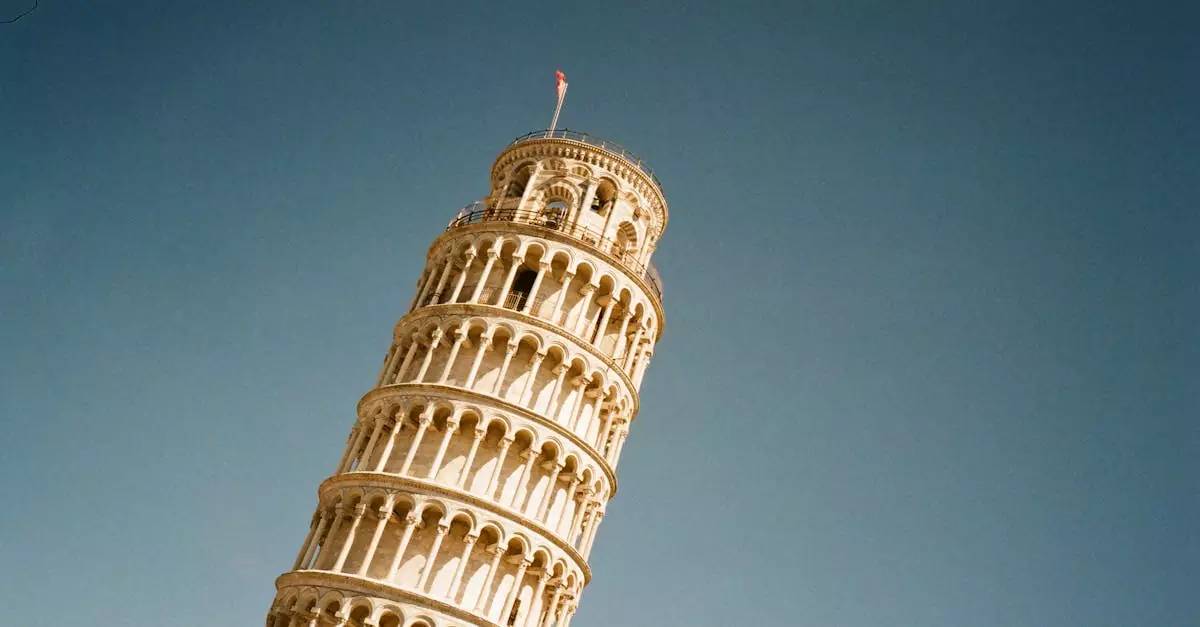
While the Tower of Pisa is an iconic symbol of Italy, its charm is amplified when you discover other inclined structures scattered across the country. This itinerary offers a blend of famous landmarks and lesser-known architectural curiosities, perfect for those seeking a comprehensive exploration of Italy’s leaning towers.
3-Day Itinerary: Pisa, Bologna, and Hidden Gems
This compressed itinerary focuses on efficiency, allowing you to experience the most prominent leaning towers within a short timeframe. It assumes a starting point in Florence, a common hub for travelers in this region of Europe.
Day 1: Pisa and Lucca
Begin your journey with an early train to Pisa. Spend your morning marveling at the Field of Miracles, home to the famous leaning tower. After soaking in the iconic views, take a regional train to the nearby walled city of Lucca. Lucca itself boasts a slightly inclined tower, the Torre delle Ore, offering panoramic city views from its summit. Lucca’s intact Renaissance walls are also a unique feature, perfect for a leisurely bike ride.
Day 2: Bologna’s Towers
Travel north to Bologna, a city famously nicknamed “La Dotta, La Grassa, La Rossa” (The Learned, The Fat, The Red). Bologna’s historical center features two prominent leaning towers: the Asinelli Tower and the Garisenda Tower, known collectively as Le Due Torri. Climbing the Asinelli Tower provides breathtaking views of Bologna’s terracotta rooftops. The Garisenda, though shorter, is notably more inclined and a striking sight.
Day 3: Rovigo or Other Inclined Sites
For a true off-the-beaten-path experience, consider a day trip to Rovigo, where the Torre Donà is known for its noticeable tilt. Alternatively, depending on your departure point, you might explore other minor inclined structures in smaller towns.
Logistics:
- Transportation: High-speed trains connect major cities like Florence, Pisa, and Bologna efficiently. Regional trains are best for reaching smaller towns.
- Accommodation: Bologna offers a wide range of hotels and apartments, from budget-friendly to luxury. Pisa has more limited options, often geared towards short stays.
- Budget: Expect to spend approximately €150-€250 per person per day, covering transport, accommodation, food, and tower entrance fees.
Day Trip from Florence to Pisa and Lucca
If your time in Italy is limited, a well-planned day trip from Florence can cover both Pisa and Lucca. This option requires an early start and efficient use of time.
Morning in Pisa:
Catch the first available train from Florence to Pisa Centrale. From the station, you can walk (about 20-25 minutes) or take a local bus to the Piazza dei Miracoli. Allocate 2-3 hours to visit the Leaning Tower, the Duomo, and the Baptistery. Booking tower tickets in advance is highly recommended to avoid long queues.
Afternoon in Lucca:
Take a regional train from Pisa to Lucca (approximately 20-30 minutes). Upon arrival, rent a bicycle near the station to explore the city’s impressive Renaissance walls. Wander through the charming streets, visit the Piazza dell’Anfiteatro, and climb the Torre delle Ore for a different perspective. Enjoy a relaxed evening meal in Lucca before catching a train back to Florence.
Traveler Tip:
Consider a guided tour that combines Pisa and Lucca for a hassle-free experience, especially if you’re unfamiliar with Italian public transport.
Road Trip: Exploring Northern Italy’s Inclined Architecture
A road trip offers the ultimate flexibility to seek out Italy’s leaning towers, including those less accessible by public transport. This approach allows for spontaneous stops and deeper exploration of the surrounding regions.
Route Suggestion:
Start in Pisa, then head towards Lucca. Continue north towards Parma, a city known for its culinary delights and some minor architectural tilts. From Parma, drive to Bologna for its iconic towers. If time permits, venture further to towns like Cremona, which has a leaning bell tower, or explore smaller villages in the Emilia-Romagna region that feature unique inclined structures.
Advantages of a Road Trip:
- Flexibility: Visit smaller towns and less-touristed leaning towers at your own pace.
- Convenience: Easier to transport luggage and make multiple stops in a single day.
- Scenic Drives: Enjoy the picturesque Italian countryside between destinations.
Considerations:
- ZTL Zones: Many Italian city centers have Limited Traffic Zones (ZTL) with strict regulations. Research these carefully to avoid fines.
- Parking: Parking can be challenging and expensive in popular cities. Look for designated parking garages.
- Car Rental: Compare prices from various rental agencies and consider the cost of insurance and fuel.
Comparative Overview of Key Leaning Towers:
| Tower Name | Location | Approx. Inclination | Entrance Fee (Estimate) | Best For |
|---|---|---|---|---|
| Leaning Tower | Pisa | 3.97 degrees | €20-€30 | Iconic photo opportunities, historical significance |
| Asinelli Tower | Bologna | ~2.2 degrees | €5-€10 | Panoramic city views, historical context |
| Garisenda Tower | Bologna | ~4 degrees | Not typically open | Striking visual presence, architectural curiosity |
| Torre delle Ore | Lucca | Moderate | €5-€8 | City views, combined with Lucca’s walls |
Navigating Italy’s Leaning Tower Destinations: Transport and Logistics

When planning a trip focused on Italy’s unique leaning towers, understanding the transportation and logistical aspects is key to a smooth and enjoyable journey. While the iconic tower in Pisa is the most famous, several other locations across Italy offer similar architectural marvels. This section breaks down how to reach these destinations and navigate between them, focusing on practical advice for travelers.
Getting to Pisa: Flights, Trains, and Buses
Pisa International Airport (PSA), also known as Galileo Galilei Airport, is the primary gateway for most international visitors heading to the famous leaning tower. It receives direct flights from numerous European cities, making it accessible for many travelers. If you’re arriving from further afield, you’ll likely connect through a major European hub.
Alternatively, many travelers opt to fly into larger airports like Florence Airport (FLR) or even Rome Fiumicino Airport (FCO) and then take a train to Pisa. The Italian rail network is extensive and efficient. From Florence, a direct train to Pisa Centrale takes about an hour. From Rome, the journey is longer, typically around 3 to 4 hours with a change. Bus services are also available, though generally slower than the train for inter-city travel.
Inter-City Travel: Train Routes Between Pisa and Bologna
For those interested in visiting multiple leaning tower sites, such as the Asinelli Tower in Bologna, the train is the most convenient mode of transport. The rail journey between Pisa and Bologna is straightforward. Direct high-speed trains connect the two cities in approximately 2 to 2.5 hours. This makes a day trip from one city to the other feasible, though spending at least a night in each is recommended to fully appreciate the destinations.
Booking train tickets in advance, especially for high-speed services, can often secure better prices. Websites like Trenitalia or Italo offer schedules and booking options. Consider purchasing a rail pass if you plan extensive train travel throughout Italy.
Local Transportation: Getting Around Bologna’s Towers
Bologna is a highly walkable city, and its famous leaning towers, the Asinelli and Garisenda, are located in the heart of the historic center. Most attractions, including the towers, are within easy walking distance of each other. The city center is largely pedestrianized, encouraging exploration on foot.
For longer distances or when tired, Bologna has a reliable public bus system operated by TPER. Buses are frequent and cover most areas of the city and its outskirts. Tickets can be purchased at tabaccherie (tobacco shops), newsstands, or directly from machines on some buses. Taxis are also readily available, though they are a more expensive option. If you are staying outside the immediate city center, a combination of bus and walking will likely be your most efficient method of getting around.
Experiencing Local Culture and Cuisine Near Italy’s Leaning Towers
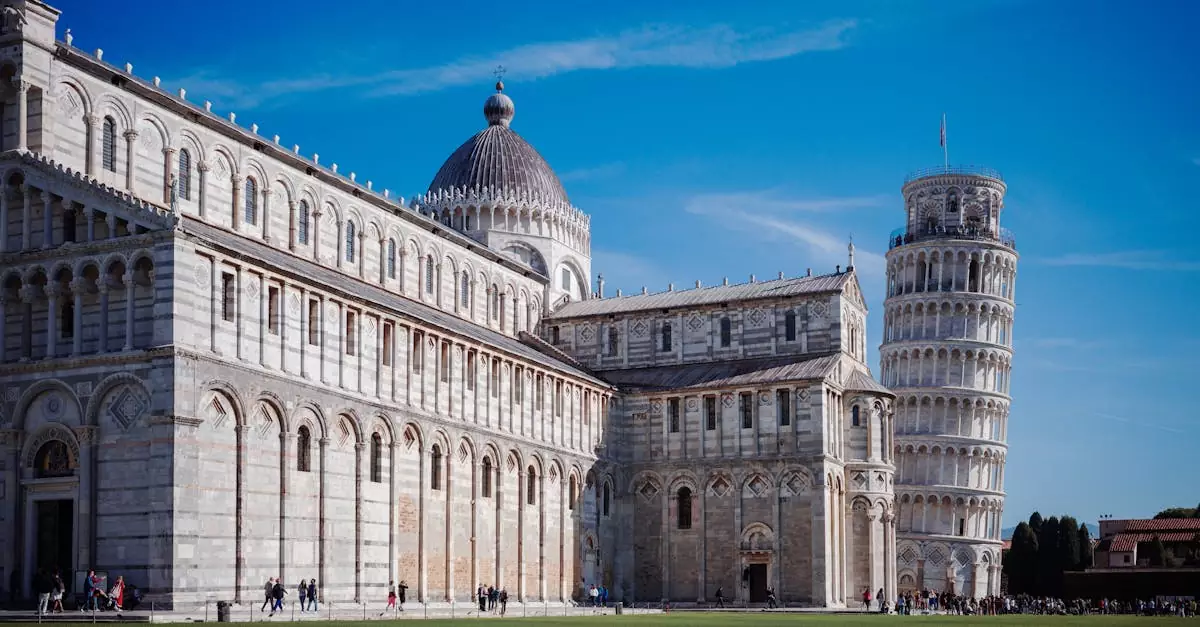
While the iconic tower in Pisa draws crowds, Italy offers other architectural marvels and rich culinary traditions. Exploring the regions surrounding these unique structures reveals a deeper appreciation for Italian life, from the hearty dishes of Emilia-Romagna to the distinct flavors found closer to the Tuscan coast. Engaging with local food and culture is an essential part of any Italian journey, providing a more authentic experience beyond the well-trodden tourist paths.
Must-Try Foods in Bologna: The Culinary Heart of Emilia-Romagna
Bologna, often hailed as the gastronomic capital of Italy, is a must-visit for any food lover. The region of Emilia-Romagna is the birthplace of many beloved Italian dishes. Here, you can savor authentic tagliatelle al ragù, a rich meat sauce often mistakenly called “spaghetti bolognese” outside of Italy. Another local specialty is tortellini in brodo, delicate pasta parcels served in a savory broth.
Don’t miss out on the region’s famous cured meats and cheeses. Prosciutto di Parma and Parmigiano Reggiano are produced nearby and are of unparalleled quality. Bologna also offers fantastic mortadella, a large, finely ground pork sausage. To truly immerse yourself in the culinary scene, consider a food tour or a cooking class. Many offer insights into traditional preparation methods and the history behind these iconic dishes.
Pisan Specialties: What to Eat in the City of the Leaning Tower
While Pisa is most famous for its leaning towers, its culinary landscape offers distinct pleasures. Beyond the usual tourist fare, seek out cecina, a thin, unleavened chickpea flour pancake, crispy on the edges and soft in the middle. It’s a simple yet delicious snack, often enjoyed on its own or as a side.
Another local favorite is zuppa alla frantoiana, a hearty vegetable soup that varies with the seasons. Seafood also plays a role, with fresh catches from the nearby Ligurian Sea often featured on menus. Look for dishes like baccalà (salt cod) prepared in various ways. For dessert, try torta di ceci, a sweet version of the chickpea cake, or indulge in local pastries.
Finding Authentic Trattorias Away from Tourist Hubs
To experience true Italian hospitality and cuisine, venture a few blocks away from major attractions. Look for trattorias and osterias that appear busy with locals, especially during lunchtime. These establishments often offer simpler, more traditional menus at better prices.
When choosing a restaurant, observe the menu for seasonal ingredients and regional specialties. A menu that is not overly extensive can be a good sign, indicating fresh preparation. Engaging with the staff, even with a few basic Italian phrases, can enhance your dining experience and sometimes lead to recommendations for off-menu items. Exploring these smaller eateries is key to discovering the genuine flavors of Italy, whether you are near the famous leaning towers or in a less-visited town.
Frequently Asked Questions About Italy’s Leaning Towers
Are there other leaning towers in Italy besides Pisa?
Yes, Italy boasts several notable leaning towers beyond the iconic Tower of Pisa. The most prominent are the Asinelli Tower and the Garisenda Tower in Bologna, collectively known as the Two Towers. These medieval structures are significantly older than Pisa’s bell tower and offer a different historical perspective. Other, less famous examples of inclined structures can be found across the country, often bell towers or ancient ruins that have settled unevenly over time.
Which leaning tower is the most tilted?
While the Tower of Pisa is the most famous for its tilt, the Garisenda Tower in Bologna is actually more inclined. The Garisenda, one half of Bologna’s famous Two Towers, leans at an angle of approximately 4 degrees, making it steeper than Pisa’s 3.97 degrees. However, the Garisenda is much shorter than the Tower of Pisa, which contributes to Pisa’s greater visual impact and its iconic status. The Asinelli Tower, the other of Bologna’s towers, stands remarkably straight.
Is it worth visiting Bologna’s leaning towers?
Absolutely. Visiting Bologna’s Two Towers is a highly recommended experience for those seeking to discover Italy’s other leaning structures. The Asinelli Tower, the taller of the two, offers breathtaking panoramic views of Bologna and the surrounding Emilia-Romagna region for those who brave the climb up its 498 steps. The Garisenda Tower, while not open for climbing due to its precarious tilt, is an impressive sight from ground level and a significant part of Bologna’s medieval skyline. Experiencing these towers provides unique insights into the city’s history and architectural heritage, distinct from the more tourist-centric Pisa.
What are the best photo spots for Italy’s leaning towers?
For the Tower of Pisa, classic shots from the Piazza dei Miracoli are a must, especially with the Baptistery and Cathedral in the background. Tourists often mimic the pose of “holding up” the tower. For a different perspective, try shooting from the slightly more distant Arno River or from within the quieter side streets surrounding the main square.
When photographing Bologna’s Two Towers, consider the Piazza di Porta Ravegnana, the main square where they are located, for a commanding view. To capture both towers together, find vantage points on surrounding streets like Via Rizzoli or Via Zamboni, where the Asinelli and Garisenda towers frame the cityscape. Early morning or late afternoon light can create dramatic shadows and highlight their impressive inclines.