Italy’s allure often conjures images of Rome’s Colosseum or Venice’s canals. Yet, beyond these iconic landmarks lie countless charming towns and villages, offering a more intimate and authentic Italian experience. These hidden gems provide a respite from the tourist throngs, allowing for genuine immersion in local culture, history, and breathtaking landscapes. If you’re seeking the best hidden towns in Italy, consider this curated selection for an unforgettable escape.
In this guide, you’ll discover five captivating destinations that embody the spirit of off-the-beaten-path travel. We’ll explore their unique charms, from medieval fortresses and heart-shaped lakes to serene alpine beauty and romantic island retreats. Learn about the best times to visit for pleasant weather and fewer crowds, practical tips for navigating these secluded locales, and immersive experiences awaiting you, from savoring regional delicacies to exploring vibrant local markets. Prepare to uncover a side of Italy that feels both timeless and refreshingly undiscovered.
Why Seek Out Italy’s Best Hidden Towns?
Visiting Italy’s hidden towns offers a distinct advantage over the well-trodden tourist paths. While Rome, Florence, and Venice are undeniably magnificent, their popularity can overshadow the authentic Italian experience. Venturing beyond these major cities allows for a deeper connection with the country’s rich heritage and vibrant local life, catering to those seeking cultural immersion and a more relaxed pace.
Authentic Italian Culture Away From Tourist Hubs
Stepping away from the bustling piazzas of major cities reveals a more genuine Italy. In these smaller communities, traditions are often more deeply preserved, and daily life unfolds at a rhythm dictated by local customs rather than tourist schedules. You’ll find locals engaging in everyday activities—morning coffee at the same bar, evening strolls, and lively conversations in the piazza—offering an unvarnished glimpse into Italian life. This authenticity is a significant draw for travelers looking to understand the soul of Italy. Engaging with locals, even amid language barriers, can lead to memorable interactions and a richer cultural understanding.
Uncovering Lesser-Known Architectural Marvels
Italy is renowned for its architectural splendor, but many treasures lie beyond major museums or famous cathedrals. Many hidden towns boast unique and often overlooked architectural gems. Picture medieval castles perched on hillsides, frescoed churches tucked away on quiet streets, or charming Renaissance palaces that retain their original character. These sites offer a more intimate viewing experience, free from the overwhelming crowds typically found at famous landmarks. Discovering these places provides a sense of personal discovery, as if unearthing a secret history.
Experiencing Local Life in Off-the-Beaten-Path Villages
The true charm of Italy’s less-visited locales lies in the opportunity to experience local life firsthand. Here, you can savor regional specialties in family-run trattorias, where recipes have been passed down through generations. You might stumble upon a local festival or a weekly market, providing a vibrant snapshot of community life. Unlike mass-produced souvenirs, the crafts and produce sold in these towns often reflect genuine local artistry and agricultural traditions. This immersive experience fosters a deeper appreciation for the diverse tapestry of Italian regionalism, moving beyond surface-level tourism.
Top 5 Undiscovered Italian Villages for Your Next Trip
Italy’s allure often conjures images of Rome’s Colosseum or Venice’s canals. Yet, beyond these iconic landmarks lie countless charming towns and villages, offering a more intimate and authentic Italian experience. These hidden gems provide a respite from the tourist throngs, allowing for genuine immersion in local culture, history, and breathtaking landscapes. If you’re seeking the best hidden towns in Italy, consider these five destinations for an unforgettable escape.
Civita di Bagnoregio: The Dying City’s Ethereal Charm
Perched atop a volcanic tuff hill in Lazio, Civita di Bagnoregio is a breathtaking sight. Accessible only by a long pedestrian bridge, its isolation has preserved its medieval character. Known as “the dying city” due to the constant erosion of its foundations, Civita offers a hauntingly beautiful atmosphere. Wandering its narrow cobblestone alleys, you’ll find ancient stone houses, tiny piazzas, and panoramic views of the surrounding Calanchi Valley.
Getting there: The nearest train station is Orvieto, from which you can take a bus or taxi to Bagnoregio, then walk or take a shuttle to the bridge entrance.
Best time to visit: Spring and autumn offer pleasant weather for walking and fewer crowds. Summer can be very hot.
Logistics: Entry to the town requires a small pedestrian toll. Wear comfortable shoes for the bridge and the uneven terrain.
Bormio: Alpine Beauty and Thermal Springs in Lombardy
Nestled in the heart of the Lombardy Alps, Bormio is a captivating mountain town renowned for its winter sports and ancient thermal baths. While popular with skiers in winter, it retains a serene charm throughout the year. Bormio boasts three historic thermal spas: Bormio Terme, Bagni Vecchi (Old Baths), and Bagni Nuovi (New Baths), offering therapeutic waters with stunning alpine backdrops. The town features a well-preserved historic center with medieval architecture and charming streets.
Activities: Skiing and snowboarding in winter, hiking and mountain biking in summer, and relaxing in the thermal baths year-round.
Accommodation: Options range from luxury spa hotels to cozy guesthouses and apartments.
Budget: Can be moderate to high, especially during ski season. Off-season visits offer better value.
Scanno: Abruzzo’s Jewel with a Heart-Shaped Lake
In the rugged Abruzzo region, Scanno is a picturesque village that seems frozen in time. Its unique architecture, characterized by stone houses with wrought-iron balconies, and traditional dress still worn by some residents lend it an air of authenticity. The village overlooks the stunning Lago di Scanno, an emerald lake famously shaped like a heart when viewed from a specific vantage point. Scanno is also known for its artisanal crafts, particularly lacework and traditional sweets.
Local Culture: Explore the historic center, visit the Chiesa di Santa Maria della Val di Verrino, and sample local delicacies like “pan dell’orso.”
Scenery: The heart-shaped lake is a must-see, and hiking trails in the surrounding Abruzzo National Park offer incredible natural beauty.
Safety: Generally a very safe and peaceful destination.
Orta San Giulio: A Romantic Island Escape on Lake Orta
Often overshadowed by its larger, more famous neighbors like Lake Como and Lake Maggiore, Lake Orta offers a tranquil and romantic setting. Orta San Giulio, a jewel on its shores, is a beautifully preserved medieval village with cobblestone streets, colorful buildings, and a charming piazza overlooking the water. The tiny island of San Giulio, accessible by a short boat ride, is dominated by a basilica and offers breathtaking views. This destination is perfect for couples seeking a serene and picturesque Italian retreat.
Transportation: Reachable by train to Orta-Miasino station, followed by a short bus or taxi ride. Ferries connect the mainland to the island and other lakeside points.
Atmosphere: Quiet, romantic, and incredibly scenic. Ideal for leisurely strolls and enjoying lakeside tranquility.
Comparison: More intimate and less crowded than the larger Italian lakes.
Brisighella: Medieval Charm in the Emilia-Romagna Hills
Located in the rolling hills of Emilia-Romagna, Brisighella is a medieval borgo renowned for its three iconic hills, each crowned with a significant structure: the Rocca Manfrediana (a fortress), the Torre dell’Orologio (clock tower), and the Santuario del Monticino. The village is a delight to wander, with its Via degli Asini (Donkey Alley), a unique raised covered walkway. Brisighella is also celebrated for its olive oil, wine, and local produce, making it a treat for food lovers.
Gastronomy: Sample the local Brisighella DOP olive oil and Sangiovese wine.
Activities: Explore the Rocca, enjoy views from the clock tower, and wander through the historic center.
Accessibility: Easily accessible by car or train from cities like Bologna or Florence.
These five destinations represent just a glimpse into the many hidden treasures Italy holds. They offer authentic experiences, stunning scenery, and a slower pace of life, allowing travelers to connect with the true spirit of Italy away from the well-trodden paths.
When is the Ideal Time to Visit Italy’s Hidden Gems?
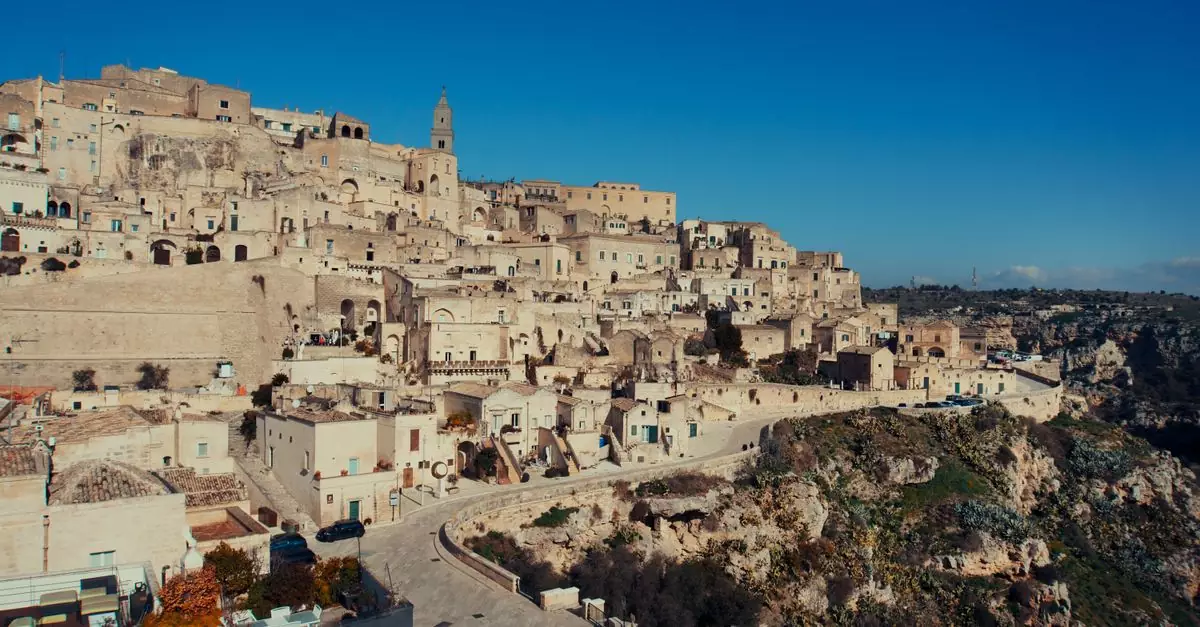
Choosing the right time to visit Italy’s lesser-known towns can significantly enhance your experience, allowing you to savor authentic culture without overwhelming tourist crowds. Each season offers distinct charms, from vibrant spring blooms to the cozy ambiance of winter. Understanding the nuances of each period helps in planning a trip that aligns with your preferences for weather, activities, and crowds.
Spring (April-May): Blooming Landscapes and Mild Weather
Spring is a delightful season for discovering Italy’s hidden towns. The landscape awakens with wildflowers, making rural areas particularly picturesque. Temperatures are generally mild, averaging between 15-20°C (59-68°F), perfect for leisurely strolls through cobblestone streets and exploring the countryside. This period often sees fewer international tourists compared to summer, though local holidays like Easter can bring domestic travel. Accommodation prices may be lower than in peak season, offering good value. It’s an excellent time for hiking in regions like Umbria or exploring the Cinque Terre before the summer heat and crowds arrive.
Autumn (September-October): Harvest Season and Fewer Crowds
Autumn brings a golden hue to Italy, with pleasant temperatures and the bounty of the harvest season. September and October are ideal for experiencing local food and wine festivals, particularly in regions known for their produce, such as Tuscany and Piedmont. The weather remains agreeable, with daytime highs typically in the 18-24°C (64-75°F) range, making it comfortable for sightseeing. As summer holidays conclude, visitor numbers decrease, offering a more tranquil atmosphere in many charming Italian villages. The changing leaves create a beautiful backdrop for photography and exploration, and it’s a fantastic time to sample new olive oil and wines.
Winter Escapes: Cozy Villages and Festive Atmosphere
Visiting Italy’s hidden towns in winter offers a unique, intimate experience. While some coastal or southern areas remain mild, northern regions can be quite cold, with snow possible in mountainous areas. This is the season for embracing a slower pace, enjoying hearty regional cuisine by a fireplace, and experiencing local Christmas markets and traditions. Towns in South Tyrol or the Dolomites transform into winter wonderlands. Accommodation is often at its lowest prices, and you’ll find a truly authentic slice of Italian life. Be aware that some smaller establishments might have reduced hours or be closed during the off-season, so it’s wise to book ahead and check local opening times.
| Season | Best Months | Average Temperature (°C/°F) | Crowd Levels | Key Attractions/Activities | Budget Considerations |
|---|---|---|---|---|---|
| Spring | April – May | 15-20°C / 59-68°F | Moderate | Wildflowers, mild weather, fewer crowds, outdoor activities | Good value |
| Autumn | September – Oct | 18-24°C / 64-75°F | Low to Moderate | Harvest festivals, wine tasting, pleasant weather, fall foliage | Good value |
| Winter | Nov – March | Varies (cold in north) | Low | Christmas markets, cozy atmosphere, winter sports (north) | Lowest prices |
Navigating to and Around Italy’s Secluded Towns
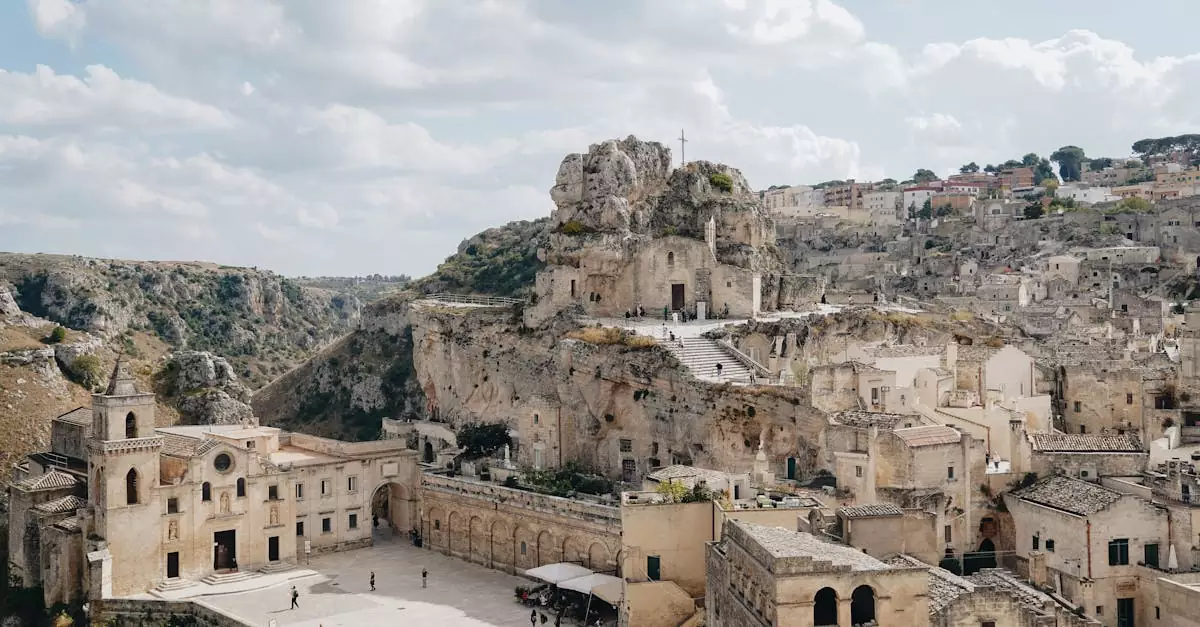
Reaching Italy’s lesser-known gems requires a thoughtful approach to transportation. While major cities are well-connected by high-speed rail, venturing into the countryside and smaller villages often means embracing slower, more scenic travel methods. Planning your routes in advance is key to a smooth and enjoyable experience.
Renting a Car for Ultimate Freedom on Italian Roads
For those seeking to truly uncover Italy’s hidden towns at their own pace, renting a car offers unparalleled flexibility. This is especially true for regions like Tuscany, Umbria, or the Dolomites, where charming villages are often spread out and not serviced by public transport. Picking up a car at a major airport like Rome Fiumicino or Milan Malpensa is straightforward, though be aware of the need for an International Driving Permit for non-EU citizens.
Driving in Italy can be an adventure. Expect narrow, winding roads, particularly in mountainous areas or when approaching historic centers. Many towns have ZTL (Zona a Traffico Limitato) zones in their historic cores, which restrict vehicle access. Familiarize yourself with these signs to avoid costly fines. Parking can also be a challenge in popular small towns, so look for designated parking areas on the outskirts.
Utilizing Regional Trains and Local Buses
While not as comprehensive as car rental for accessing remote spots, Italy’s regional train network (Trenitalia) and local bus services are excellent for reaching many smaller towns. Trains are often more comfortable and less stressful than driving, especially for solo travelers or couples. Buses can reach villages not served by rail, though schedules may be less frequent and routes more circuitous.
Purchase train tickets in advance, especially for longer journeys, though regional tickets can often be bought at the station. Remember to validate your regional train ticket in the machines on the platform before boarding to avoid penalties. For bus travel, tickets are typically purchased at tabaccherie (tobacconists), newsstands, or directly from the bus driver, depending on the region. Researching local bus companies for specific areas you plan to visit is advisable.
Best Transportation Tips for Mountain Villages
Accessing picturesque mountain villages, particularly in regions like the Alps or Apennines, often presents unique transportation considerations. Many charming hamlets are only accessible via narrow, steep roads, making a smaller, more agile car preferable if you choose to drive. Four-wheel drive might be beneficial during winter months due to potential snow and ice.
Alternatively, consider using a combination of trains and local buses. For instance, you might take a train to a larger town at the base of a mountain range and then catch a regional bus or arrange a taxi for the final ascent. Some mountain communities also offer local shuttle services during peak tourist seasons. Always check local tourism office websites or inquire at your accommodation for the most up-to-date information on getting around these elevated locales. For example, reaching a village like Civita di Bagnoregio, which is accessible only by a pedestrian bridge, requires parking in the nearby town and walking the rest of the way.
Immersive Experiences: Local Flavors and Activities in Hidden Italy
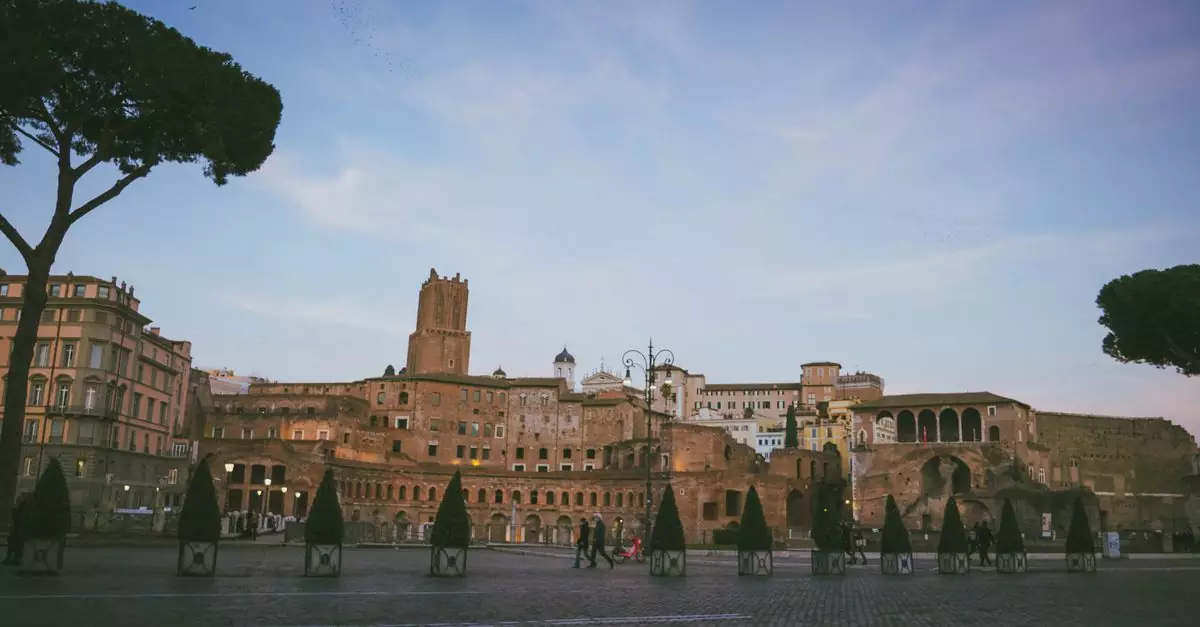
Beyond the postcard-perfect piazzas and iconic landmarks, Italy’s most rewarding travel moments often unfold in its smaller towns. These authentic encounters connect you with the true spirit of Italian life, from culinary traditions passed down through generations to the vibrant pulse of local commerce and the rugged beauty of the countryside. Engaging with these elements offers a deeper understanding of the country and provides unforgettable memories.
Savoring Regional Specialties: From Truffles to Pasta
The true heart of Italy beats in its regional cuisines, and its hidden towns are the epicenters of these culinary traditions. Forget the tourist traps; here, you’ll find trattorias where Nonna still rolls the pasta by hand and chefs champion ingredients sourced from the surrounding hills. In the Umbrian town of Norcia, famous for its cured meats, sampling a platter of prosciutto and salami is a delicious education in local charcuterie.
Further north, in the Piedmont region, towns like Alba become a pilgrimage site for truffle enthusiasts during the autumn months. Participating in a truffle hunt with a local guide and their trained dog offers a unique experience, culminating in the chance to savor these prized fungi shaved over fresh pasta or eggs. Similarly, in coastal villages, the day’s catch dictates the menu, providing the freshest seafood dishes imaginable. Exploring these gastronomic landscapes is a journey in itself, revealing the deep connection between land, tradition, and plate.
Exploring Local Markets and Artisan Shops
The weekly market is often the social and economic hub of an Italian village, a place where locals gather to buy fresh produce, regional cheeses, and handcrafted goods. Visiting these markets, such as the bustling Saturday market in Orvieto, Umbria, provides a sensory feast of colors, scents, and sounds. It’s an opportunity to practice your Italian, haggle good-naturedly, and discover unique souvenirs far removed from mass-produced trinkets.
Beyond the market stalls, many hidden towns boast workshops where artisans continue age-old crafts. In Deruta, Umbria, for example, you can witness the intricate process of hand-painting ceramics, a tradition that has defined the town for centuries. Observing a master craftsman at work, whether shaping clay, weaving textiles, or crafting leather goods, offers profound appreciation for skill and dedication. These encounters also present the chance to purchase authentic, high-quality items directly from their creators, supporting local economies and bringing a piece of genuine Italian artistry home.
Hiking and Outdoor Adventures in Rural Italy
Italy’s hidden gems often sit against breathtaking natural backdrops, offering ample opportunities for outdoor exploration. For those who enjoy an active holiday, the rolling hills of Tuscany, the dramatic Dolomites in the north, or the rugged coastlines of Puglia provide diverse landscapes for hiking and cycling. Towns like Bormio, in Lombardy, serve as excellent bases for exploring the Stelvio National Park, offering challenging mountain trails and stunning alpine vistas.
Consider the Cinque Terre region, where the colorful villages are connected by scenic hiking paths. While popular, venturing slightly off the main trails or visiting during the shoulder seasons can offer a more serene experience of the Ligurian coast. For a gentler pace, explore the olive groves and vineyards surrounding towns in regions like Abruzzo, where well-marked trails wind through picturesque countryside. Engaging with the natural environment not only provides physical activity but also a deeper connection to the land that shapes Italy’s unique character and flavors.
Frequently Asked Questions About Italy’s Best Hidden Towns
Are these towns suitable for solo travelers?
Absolutely. Many of Italy’s best hidden towns offer a safe and welcoming atmosphere for solo explorers. Their smaller size often means a more intimate experience, making it easier to connect with locals or fellow travelers. Towns like Brisighella in Emilia-Romagna or Orvieto in Umbria are known for their friendly communities and well-trodden paths, even among those traveling alone. You’ll find plenty of opportunities to enjoy a quiet coffee, wander through local markets, or join a guided walking tour.
What are the best towns for a romantic getaway?
For a romantic escape, consider towns that offer picturesque scenery and a slower pace of life. Positano on the Amalfi Coast, while popular, retains a certain charm with its cliffside views and winding alleys. For something less discovered, explore villages in Tuscany like Pienza, with its Renaissance architecture and sweeping Val d’Orcia vistas. Orvieto, perched atop a volcanic tuff, provides dramatic scenery and a sense of timelessness, making it a wonderful backdrop for couples. Many of these locations boast intimate trattorias and boutique accommodations.
How do these hidden towns compare to major cities like Rome or Florence?
Visiting Italy’s hidden towns offers a distinctly different experience from its major cities. While Rome and Florence provide world-class museums, iconic landmarks, and bustling urban energy, smaller towns focus on authentic local life, regional gastronomy, and a more relaxed pace. You’ll find fewer crowds, more opportunities for genuine interaction with residents, and a deeper immersion into specific regional cultures. Budget-wise, smaller towns are often more affordable for accommodation and dining than their metropolitan counterparts.
What should I pack for visiting smaller Italian villages?
When packing for smaller Italian villages, comfort and practicality are key. Comfortable walking shoes are essential, as you’ll likely navigate cobblestone streets and uneven terrain. Layers are advisable, as weather can change, especially in mountainous regions or during shoulder seasons. Consider packing light, as many accommodations may not have elevators, and you’ll be carrying your luggage through narrow streets. A reusable water bottle, a small backpack for day trips, and a basic Italian phrasebook can also be very useful.
Here’s a quick packing checklist:
- Footwear: Comfortable walking shoes, sandals (seasonal)
- Clothing: Layers (t-shirts, long-sleeved shirts, sweaters), light jacket, scarf
- Accessories: Sun hat, sunglasses, small backpack, reusable water bottle
- Documents: Passport, any necessary visas, travel insurance information
- Toiletries: Personal items, any required medications