South America’s vast, deep waters hold more than just fish; they are rumored homes to legendary lake monsters, creatures deeply embedded in local folklore. From the serpentine Urcu of the Andean highlands to colossal beings lurking in Patagonia’s glacial depths, these tales add an air of mystery to the continent’s already breathtaking landscapes.
This article will guide you through the most compelling legends of South America’s aquatic enigmas, exploring the stories, the locations where they are most frequently reported, and what you can realistically expect if you venture out to seek them. We’ll delve into the cultural significance of these creatures and offer practical advice for planning your own expedition, ensuring you approach these intriguing myths with both wonder and informed curiosity. Prepare to discover the captivating world of South America’s legendary lake monsters.
The Legend of the ‘Urcu’: South America’s Most Famous Lake Monster
What is the ‘Urcu’ and where is it said to live?
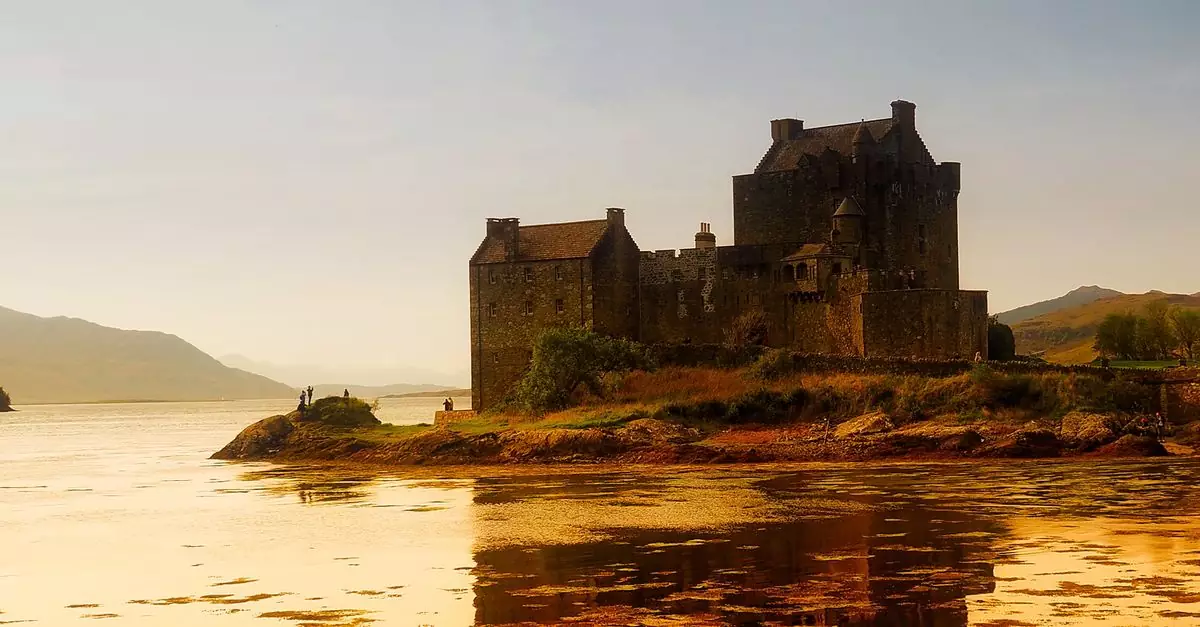
The ‘Urcu’ is a legendary creature often described as a large, serpentine aquatic animal inhabiting the deep, dark waters of South America’s freshwater lakes. While specific locations vary in different retellings, the most persistent tales place the Urcu in the remote, high-altitude lakes of the Andes, particularly in Peru and Bolivia. These bodies of water, often shrouded in mist and difficult to access, provide a fittingly mysterious backdrop for such a creature. The Urcu is typically depicted with a long neck, a small head, and a powerful, undulating body, capable of creating significant disturbances on the water’s surface.
Eyewitness accounts and historical sightings of the Urcu
Stories of unusual aquatic sightings in South American lakes predate modern cryptozoology, often blending with indigenous folklore. Early explorers and local communities have shared accounts of encountering a large, unknown animal for centuries. These reports frequently describe sudden, unexplained waves, large humps appearing and disappearing in the water, and fleeting glimpses of a dark, elongated form. While concrete evidence remains elusive, the sheer volume and consistency of these anecdotal reports fuel the enduring mystery of the Urcu. Many believe that some sightings could stem from misidentifications of known animals, such as giant otters or large fish, or even unusual natural phenomena.
The cultural significance of the Urcu in local folklore
Beyond being a mere cryptid, the Urcu holds a significant place in the cultural tapestry of the regions where its legend thrives. For many indigenous communities, the creature is not just a mystery but a spiritual entity, often associated with the power and unpredictability of nature. Tales of the Urcu are woven into local myths and legends, serving as cautionary stories or explanations for natural events. These narratives contribute to the mystique of the remote Andean lakes, making them sites of both wonder and respect. Understanding the Urcu’s cultural role provides deeper insight into the relationship between local populations and their environment across South America.
Beyond the Urcu: Other Elusive Aquatic Creatures in South American Lakes
While the Urcu might capture headlines, South America’s vast waterways and remote lakes are rumored to be home to a variety of legendary lake monsters and elusive aquatic beings. These tales, passed down through generations, speak of creatures both terrifying and majestic, adding an extra layer of intrigue to journeys through the continent’s diverse landscapes. Understanding these local legends can enrich any travel experience, offering a glimpse into the deep cultural connection between people and the natural world, especially in areas like the Amazon basin and the Patagonian wilderness.
The ‘Mapinguari’ of the Amazonian Waters: A Cryptid Comparison
Often described as a giant, sloth-like creature with a fearsome roar and a gaping maw, the Mapinguari is a legendary cryptid primarily associated with the Amazon rainforest. While typically depicted as a land-dweller, some accounts place it near or within the Amazon’s extensive river systems and flooded forests. Its description often includes matted fur, a third eye, and a strong, unpleasant odor, making it a formidable presence in local folklore.
Comparing the Mapinguari to other South American lake monsters, it stands apart due to its more terrestrial, albeit amphibious, nature. Unlike purely aquatic beings, its occasional presence in water suggests a creature adapted to both environments. Travelers venturing into the remote Amazon rainforest might hear tales of its movements along riverbanks or sightings in secluded lagoons, adding a unique element of terrestrial cryptid lore to aquatic explorations.
Whispers of Giants in Patagonia’s Glacial Lakes
Patagonia, renowned for its dramatic glaciers and pristine, often deep, glacial lakes, is also a breeding ground for tales of colossal aquatic inhabitants. Stories speak of immense creatures, sometimes described as serpentine or resembling prehistoric leviathans, lurking beneath the frigid surface of lakes like Nahuel Huapi or Argentino. These legends often arise from unexplained disturbances in the water, sudden waves, or fleeting glimpses of large, dark shapes.
The sheer size and depth of these Patagonian lakes, fed by meltwater from towering ice fields, lend credibility to the idea that they could conceal undiscovered species. While scientific expeditions have yet to confirm any such giants, the mystique remains. For travelers visiting this breathtaking region, the possibility of encountering something extraordinary adds a thrilling dimension to a boat trip or a quiet moment by the shore. The remoteness and challenging conditions of Patagonia mean that many of its secrets, including potential cryptid inhabitants, are likely well-guarded.
Encounters with the ‘Yacumama’ in Remote River Systems
The Yacumama, or “Mother of Water,” is a powerful spirit or creature from Amazonian mythology, often depicted as a colossal serpent or a giant water boa. Unlike the more beast-like Mapinguari, the Yacumama is unequivocally an aquatic entity, said to inhabit the deepest parts of rivers and lakes. Legends describe it as having immense power, capable of creating whirlpools and even controlling the weather. Some tales suggest it possesses a human-like face or the ability to lure unsuspecting prey with its mesmerizing gaze.
Sightings of the Yacumama are most frequently reported in the more isolated and less-trafficked sections of the Amazon River and its tributaries. Local communities often hold a deep respect, bordering on fear, for this creature, viewing it as a guardian of the waterways. For intrepid travelers exploring these remote river systems via boat or canoe, understanding the folklore surrounding the Yacumama is essential. It serves as a reminder of the profound, and sometimes dangerous, power of the natural world in these pristine environments.
Where to Seek South America’s Legendary Lake Monsters: Top Locations
South America, a continent teeming with ancient myths and vast, unexplored territories, offers fertile ground for those intrigued by legendary lake monsters. From the dizzying heights of the Andes to the sprawling Amazon basin, whispers of aquatic creatures have persisted for centuries, weaving themselves into the fabric of local folklore. While definitive proof remains elusive, the thrill of the hunt and the allure of the unknown draw intrepid travelers to these mysterious locales.
Navigating the Waters of Lake Titicaca for Potential Sightings
Lake Titicaca, straddling the border of Peru and Bolivia, is the world’s highest navigable lake and a place steeped in indigenous lore. Legends speak of a giant serpent or a water bull residing in its depths, creatures said to protect the lake and its inhabitants. The Uros people, who live on floating islands made of totora reeds, have long shared stories passed down through generations, adding a rich cultural layer to any expedition.
Visiting Lake Titicaca offers more than just the chase for mythical beasts. The vibrant culture of the Aymara and Quechua people, stunning Andean scenery, and unique floating islands provide ample fascination. To maximize your chances, consider hiring a local guide. These individuals often possess deep knowledge of the lake’s history and its associated legends, and may share insights into specific areas or times when sightings are rumored to be more frequent, though always with a healthy dose of local storytelling.
Logistics for Lake Titicaca:
- Access: Flights arrive in Juliaca, Peru, or La Paz, Bolivia, with onward bus or taxi connections to lakeside towns like Puno (Peru) or Copacabana (Bolivia).
- Best Time to Visit: The dry season (April to October) offers clearer skies and calmer waters, generally making boat travel more comfortable.
- Accommodation: Options range from basic guesthouses in Puno and Copacabana to more upscale hotels with lake views. Homestays with local families on the islands provide a unique cultural immersion.
- Budget: Mid-range; expect to spend more on guided tours and boat excursions.
Exploring the Remote Lagoons of the Andes for Aquatic Mysteries
Beyond the famed Lake Titicaca, the Andean mountain range cradles countless smaller, often remote lagoons that serve as focal points for local legends. These high-altitude bodies of water, frequently shrouded in mist and surrounded by dramatic peaks, are prime locations for tales of hidden creatures. The isolation and pristine nature of these areas lend themselves to the mystique of undiscovered life.
One area to consider is the Cordillera Blanca in Peru, home to numerous glacial lakes like Laguna 69. While no specific monster is widely documented here, the sheer beauty and the legends of mountain spirits and guardians of the water create an atmosphere ripe for mystery. Similarly, the numerous lagunas in Ecuador’s volcanic highlands, such as those found within national parks like Cotopaxi, often have local tales of water spirits or unusual aquatic phenomena. These regions are best accessed with experienced trekking guides who can navigate the challenging terrain and share local folklore.
Andean Lagoon Exploration Tips:
- Altitude Sickness: Acclimatize properly in lower-altitude towns before embarking on high-altitude treks.
- Guides: Essential for safety and navigation in remote areas. Look for guides certified by local tourism bodies.
- Gear: Pack for variable mountain weather, including layers, waterproofs, and sturdy hiking boots.
- Respect Local Culture: Many of these lagoons are considered sacred by indigenous communities. Always ask permission before entering sensitive areas and be mindful of local customs.
Day Trips to Lesser-Known Lakes with Monster Folklore
For travelers with limited time or those seeking a less arduous adventure, several accessible lakes across South America offer intriguing monster folklore that can be explored on day trips. These locations often feature well-established tourist infrastructure, making them convenient additions to a broader itinerary. While sightings are improbable on a short visit, the stories themselves provide a captivating glimpse into local beliefs.
Consider a visit to Lake Nahuel Huapi in Argentina’s Patagonia region. While famous for its stunning scenery and outdoor activities, local legends sometimes speak of a creature akin to the Loch Ness Monster, known as “Chuy.” Numerous boat tours operate on the lake, and guides often share these tales as part of the tour narrative. Similarly, in Chile, while not a lake, the myth of the Trauco, a forest goblin said to inhabit the Chiloé Archipelago, is deeply intertwined with the region’s waterways and coastal folklore, making boat trips around the islands a way to connect with these stories.
Day Trip Considerations:
- Lake Nahuel Huapi (Argentina): Easily accessible from the town of Bariloche. Boat tours are plentiful and offer varying durations.
- Chiloé Archipelago (Chile): Requires ferry access from the mainland. Day trips can focus on exploring coastal villages and fjords.
- Expectations: Focus on enjoying the scenery and the cultural context of the legends rather than expecting a literal encounter. These trips are about the journey and the stories.
Planning Your Cryptid Expedition: Best Times and Travel Tips
Embarking on a quest for legendary lake monsters in South America requires careful planning. Beyond the thrill of spotting elusive creatures, understanding the best times to visit, what to pack, and how to travel responsibly will significantly enhance your expedition. This region, vast and diverse, offers unique challenges and rewards for the intrepid traveler.
When to visit South American lakes for optimal viewing conditions
The ideal time to visit South American lakes for cryptid sightings often aligns with periods of reduced human activity and more visible wildlife. Generally, the dry seasons in different regions offer clearer waters and more accessible shorelines. For instance, in the Andean regions, the dry months from May to October can provide better visibility, especially for lakes like Titicaca, known for its alleged underwater inhabitants. Conversely, the Amazonian lowlands experience their dry season from June to November, which might make exploring remote lakes and tributaries more feasible.
However, it’s crucial to note that “optimal viewing conditions” for legendary lake monsters are largely anecdotal. Many sightings are reported during transitional periods, such as the start or end of the rainy season, when water levels fluctuate, potentially disturbing creatures and bringing them closer to shore. Local folklore often associates specific lunar phases or times of day with increased activity, though these are not scientifically verifiable. Researching the specific lake and its associated legends is key.
Essential packing list for lake monster expeditions
When preparing for a cryptid-hunting trip, prioritize gear that enhances observation and ensures comfort in potentially remote environments. A good pair of waterproof binoculars is essential for scanning vast expanses of water. High-quality rain gear is a must, as weather can change rapidly, especially in mountainous or jungle regions.
Consider bringing:
- Waterproof binoculars: For spotting distant movements or unusual surface disturbances.
- High-resolution camera with zoom lens: To document any potential evidence.
- Waterproof and windproof outer layers: Essential for staying dry and warm.
- Sturdy, waterproof hiking boots: For navigating varied terrain.
- Insect repellent: Particularly important for lowland and jungle areas.
- First-aid kit: Comprehensive and tailored to remote travel.
- Headlamp or flashlight: For early morning or late evening excursions.
- Notebook and pen: To record observations, times, and locations.
- Water purification tablets or filter: For safe drinking water.
A dry bag is also highly recommended to protect electronics and valuables from moisture.
Choosing responsible tour operators for cryptid hunting
Selecting a responsible tour operator is crucial for both your safety and the preservation of the natural environment. Look for companies that emphasize low-impact tourism and have a genuine respect for local ecosystems and communities. Many operators in regions like the Amazon or the Andes offer expeditions that can be adapted to include visits to lakes with legendary creature folklore.
When vetting operators, inquire about their safety protocols, guide experience, and environmental policies. A reputable company will be transparent about the risks involved and will not make guarantees of sightings. Instead, they will focus on providing an immersive and educational experience of the region’s natural beauty and cultural heritage.
Consider operators that:
- Employ local guides who possess in-depth knowledge of the area and its folklore.
- Adhere to strict waste disposal and wildlife interaction guidelines.
- Offer small group sizes to minimize environmental impact.
- Provide comprehensive pre-trip information regarding logistics and potential challenges.
While the search for legendary lake monsters is the primary draw, a responsible approach ensures that these unique environments remain pristine for future generations and that your adventure contributes positively to local conservation efforts. For general travel information about the continent, consult resources like National Geographic’s South America travel section.
What to Expect When Searching for Legendary Lake Monsters
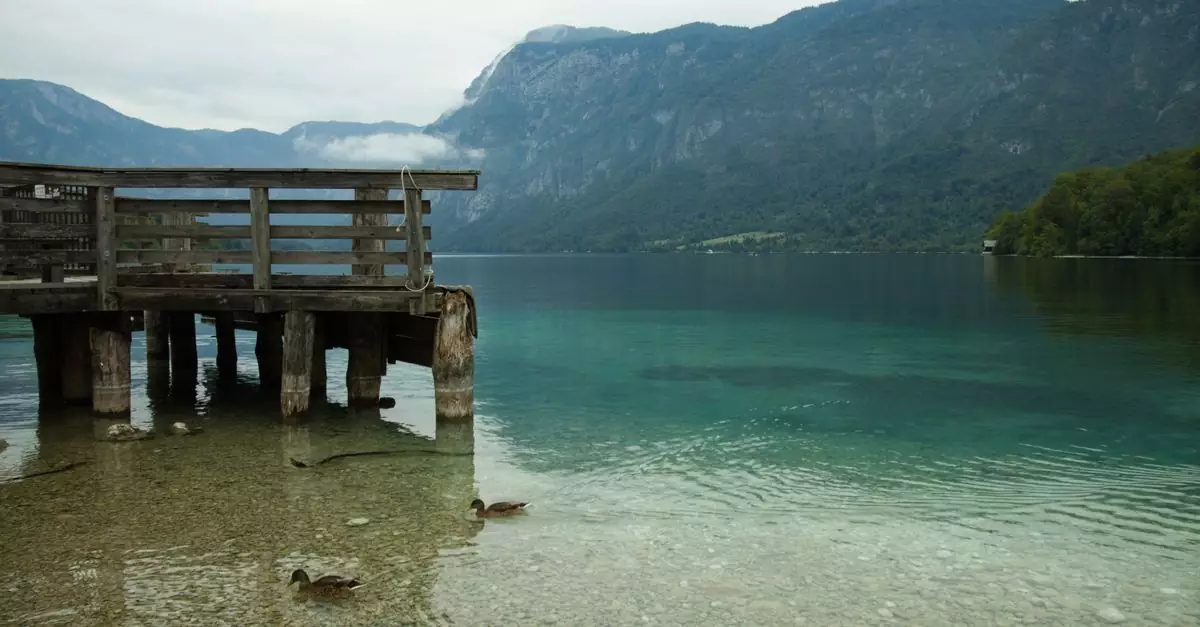
Embarking on a quest to find legendary lake monsters in South America requires a blend of realistic expectations, environmental awareness, and preparedness. While the allure of encountering an unknown creature is strong, the reality of cryptid hunting involves significant patience and keen observation. Unlike a zoo, these elusive beings, if they exist, are not on display. Your success hinges on understanding their potential habits, habitats, and the subtle signs they might leave behind.
The Reality of Cryptid Hunting: Patience and Observation
Seeking out cryptids, such as the rumored inhabitants of South American lakes, demands considerable patience. Days, weeks, or even longer might pass with no definitive sightings. Success often comes from consistent, quiet observation rather than active pursuit. Focus on understanding the natural behaviors of the lake’s ecosystem; unusual disruptions or patterns might be your first clue. Early mornings and late evenings often provide the best opportunities for spotting wildlife, including any potentially uncatalogued species.
Respecting Local Environments and Wildlife During Your Search
When venturing into the remote areas where these legendary lake monsters are said to reside, respecting the local environment and its existing wildlife is paramount. Stick to marked trails where available to minimize your impact on fragile ecosystems. Avoid disturbing nesting sites or feeding wild animals. Understanding the local culture is also vital; many communities have deep connections to their lakes and the stories surrounding them. Engaging respectfully with local guides or residents can offer invaluable insights and ensure your presence is welcomed. Remember, you are a visitor in their natural habitat.
For those planning a trip to explore the diverse landscapes of South America, consider the varying climates and accessibility of different regions. Researching specific lake locations and their associated ecological sensitivities is a crucial first step in responsible cryptid exploration.
Photography Tips for Capturing Elusive Lake Dwellers
Capturing photographic evidence of an elusive lake dweller presents unique challenges. Invest in a camera with a good zoom lens, as getting close enough for a clear shot without disturbing the creature will likely be impossible. A tripod is essential for stability, especially in low-light conditions common during dawn and dusk. When you think you might have a sighting, remain calm and try to capture as much detail as possible. Focus on clear shots of the subject, its surroundings, and any distinctive features. Even blurry or partial images can be valuable when pieced together with other accounts.
Frequently Asked Questions About South American Lake Monsters
Are there any proven sightings of South American lake monsters?
While numerous anecdotal accounts and local legends describe mysterious creatures in South American lakes, there is no definitive scientific proof or officially verified evidence of their existence. Many sightings are attributed to misidentifications of known animals, natural phenomena, or the power of folklore. The allure of these legendary lake monsters persists, fueled by local stories and the vast, unexplored nature of many South American waters.
What is the most plausible explanation for lake monster sightings?
The most common explanations for alleged sightings of legendary lake monsters involve misidentification. This can include large fish like giant catfish or Arapaima, submerged logs, unusual wave patterns, or even known aquatic mammals like manatees or otters seen under peculiar lighting conditions. In remote areas of South America, the sheer size and depth of lakes can create optical illusions, further contributing to the mystery.
Can I swim in lakes rumored to have monsters?
Swimming in lakes rumored to harbor mysterious creatures is generally not advised, primarily for safety reasons unrelated to cryptids. Many remote South American lakes have strong currents, unpredictable depths, and a lack of proper safety infrastructure. Always research local conditions and heed any warnings from authorities before entering the water. While the idea of encountering a legendary lake monster might be intriguing, prioritizing personal safety is paramount.
What are the best ways to travel between these remote lake regions?
Traveling between remote lake regions in South America often requires a combination of transportation methods. Flights to regional hubs are common, followed by overland travel via buses or private vehicles. In some cases, boat travel is essential for reaching specific lakeside communities or accessing remote areas.
Here’s a general overview of travel considerations:
| Region | Primary Access | Typical Overland Travel | Boat Travel Needs |
|---|---|---|---|
| Amazon Basin Lakes | Flights to major cities (e.g., Iquitos, Manaus) | Buses, 4×4 vehicles | Essential for many locations |
| Andean Lakes | Flights to regional airports (e.g., Cusco, La Paz) | Buses, private cars | Often required for island access or remote shores |
| Patagonian Lakes | Flights to gateway towns (e.g., Punta Arenas, Bariloche) | Buses, rental cars | Necessary for specific fjords and remote access points |
Planning ahead is crucial, as transportation schedules can be infrequent, and road conditions can vary significantly. Hiring local guides can also be invaluable for navigating these challenging routes and understanding the best ways to travel between these mysterious lake destinations.