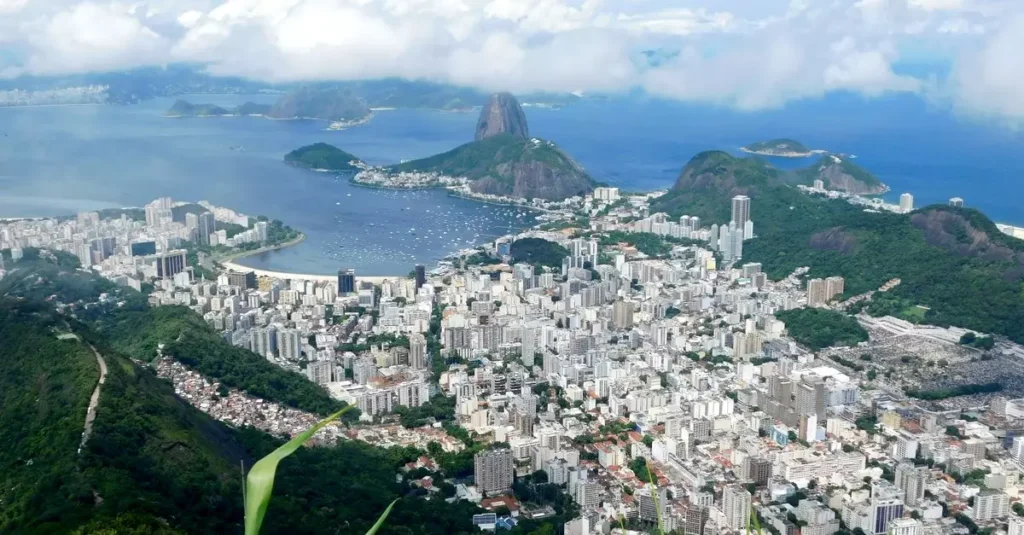
Embark on an unforgettable journey through South America, a continent rich in diverse landscapes, ancient wonders, and vibrant cultures. From the misty peaks of the Andes to the sun-soaked beaches of Brazil and the rugged wilderness of Patagonia, this region offers a tapestry of experiences for every traveler. Discovering the best places to visit in South America means exploring iconic landmarks like Machu Picchu, marveling at the unique wildlife of the Galapagos Islands, and immersing yourself in the passionate rhythms of Buenos Aires.
This guide will lead you through essential destinations, highlighting what makes each place unique. You’ll find rewarding activities, practical tips for planning your visit, and insights into what to expect in these remarkable locales. Prepare to be inspired as we unveil the magic awaiting you on this captivating continent.
Machu Picchu: The Lost City of the Incas
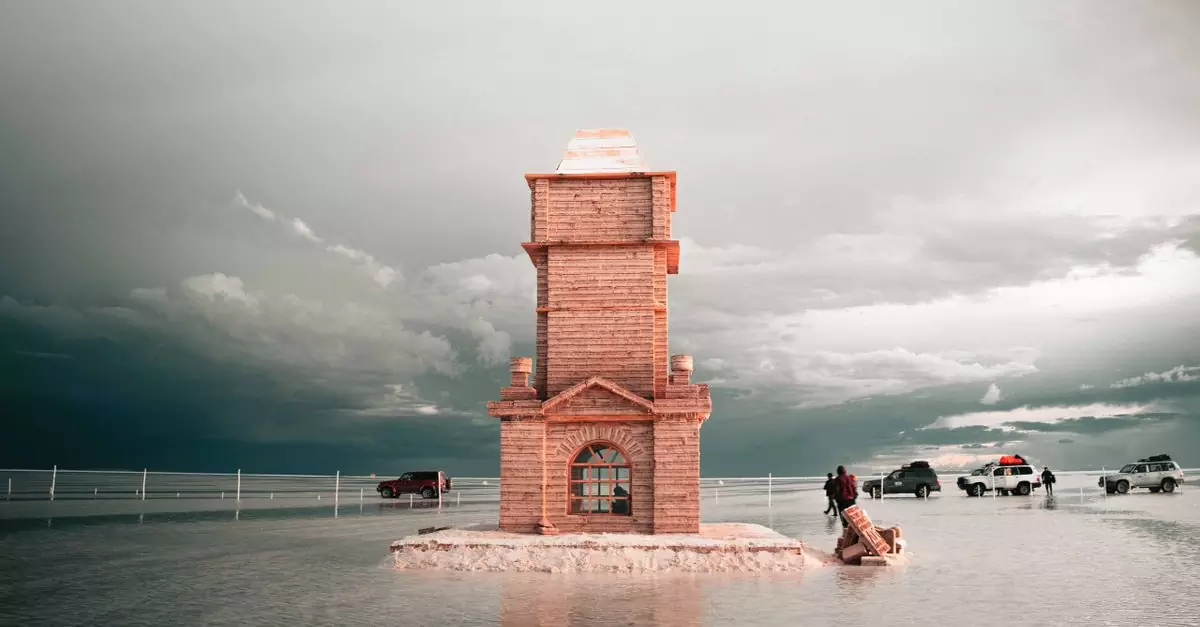
Machu Picchu, a UNESCO World Heritage site and one of the New Seven Wonders of the World, is a must-see for any traveler in South America. This ancient Inca citadel, dramatically situated on a mountain ridge above the Sacred Valley, offers breathtaking views and a deep connection to history. Planning your visit requires careful attention to logistics, especially regarding access and timing, to fully appreciate its grandeur.
How to Get to Machu Picchu from Cusco
The journey to Machu Picchu typically begins in Cusco, the historic capital of the Inca Empire. Most travelers take a train to Aguas Calientes (also known as Machu Picchu Pueblo), the gateway to the ruins. Several train companies operate this route, including PeruRail and Inca Rail, offering various service levels and prices. Booking train tickets well in advance is highly recommended, especially during peak season.
From Aguas Calientes, buses run frequently up the winding road to the entrance of Machu Picchu. This bus ride takes about 25 minutes and provides stunning mountain vistas. Alternatively, adventurous travelers can hike from Aguas Calientes directly to the citadel—a challenging but rewarding ascent. For those seeking a more immersive experience, the multi-day Inca Trail trek culminates at Machu Picchu.
| Transportation Option | Typical Duration (from Cusco) | Approximate Cost (Round Trip) | Notes |
|---|---|---|---|
| Train + Bus | 3.5 – 4 hours | $120 – $250 USD | Most common and comfortable option. |
| Inca Trail Trek | 4 days | $500 – $1000+ USD | Requires booking months in advance; permits needed. |
| Hike from Aguas Calientes (Bus) | 25 minutes (bus) | ~$24 USD (bus) | Ideal for those staying in Aguas Calientes. |
Best Time to Hike the Inca Trail to Machu Picchu
The Inca Trail is a bucket-list trek for many, offering a unique way to approach Machu Picchu. The dry season, from May to September, is generally the best time for hiking, with sunny days and cooler nights. However, this period coincides with peak tourist season, leading to larger crowds and higher prices.
The shoulder months of April and October provide a balance of favorable weather and fewer visitors. The wet season, from November to March, brings frequent rain, making the trails muddy and potentially hazardous. During February, the Inca Trail is closed for maintenance, so plan accordingly if this trek is your priority. Regardless of when you visit, securing your Inca Trail permit and tour operator at least six months in advance is essential, as they sell out quickly.
Exploring the Sacred Valley on Your Machu Picchu Trip
While Machu Picchu is the main draw, taking time to explore the Sacred Valley enhances any visit. This fertile valley, stretching between Cusco and Machu Picchu, is dotted with Inca ruins, traditional villages, and vibrant markets. Key sites include the Pisac ruins and its famous market, the Ollantaytambo fortress, and the Maras salt mines and Moray agricultural terraces.
Visiting these sites provides valuable context for understanding the Inca civilization and its agricultural and architectural ingenuity. Many travelers opt for day tours from Cusco or Aguas Calientes to see the Sacred Valley. Alternatively, you can arrange private transport or use local buses for a more independent exploration. Staying a night or two in towns like Ollantaytambo or Urubamba allows for a relaxed pace and deeper immersion into the valley’s charm. The proximity of these sites makes them easily accessible before or after your Machu Picchu visit, forming a comprehensive Andean adventure.
Rio de Janeiro: Beaches, Samba, and Iconic Landmarks
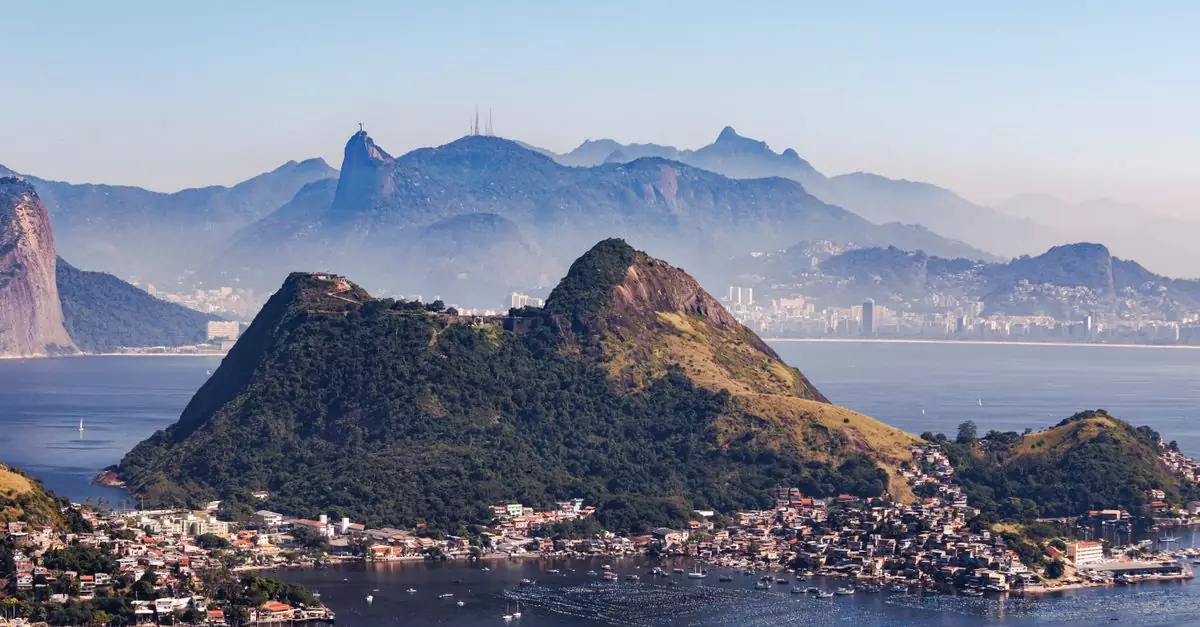
Rio de Janeiro, Brazil’s vibrant coastal city, offers a captivating blend of natural beauty, lively culture, and world-famous attractions. It’s a destination that engages all the senses, from the rhythm of samba to the breathtaking views from its iconic peaks. When planning a trip to South America, Rio consistently ranks high on travelers’ lists for good reason.
Christ the Redeemer vs. Sugarloaf Mountain: Which to See First?
Choosing between Rio’s two most famous viewpoints, Christ the Redeemer and Sugarloaf Mountain, can be challenging. Christ the Redeemer, atop Corcovado Mountain, provides a stunning panoramic view of the city, including Guanabara Bay and the sprawling metropolis. The statue itself is an impressive feat of art deco architecture. Sugarloaf Mountain, accessible by a two-stage cable car, offers a different yet equally breathtaking perspective, particularly at sunset when the city lights twinkle.
- Christ the Redeemer: Best for iconic statue views and sweeping city vistas.
- Sugarloaf Mountain: Ideal for sunset scenery and a unique cable car experience.
Many visitors choose to see both, but if time is limited, consider your priorities. For an iconic experience with the Christ statue, head to Corcovado. For a more relaxed atmosphere with stunning sunset views, Sugarloaf is a strong contender. It’s advisable to book tickets in advance for both attractions, especially during peak season, to avoid long queues. Transportation to the base of each site is readily available via taxi, ride-sharing apps, or public buses.
Discovering the Vibrant Neighborhoods of Rio: Copacabana and Ipanema
No visit to Rio is complete without experiencing its legendary beach culture. Copacabana and Ipanema, two of the city’s most famous neighborhoods, offer distinct yet equally captivating atmospheres. Copacabana beach, with its iconic wave-patterned promenade, buzzes with energy, from early morning joggers to late-night revelers. It’s a classic Rio scene, perfect for people-watching and soaking up the sun.
Ipanema, just a short walk or taxi ride away, exudes a slightly more sophisticated, bohemian vibe. Famous for the song “The Girl from Ipanema,” this beach attracts a stylish crowd and offers stunning views of the Dois Irmãos (Two Brothers) mountains. Both beaches are lined with kiosks selling refreshing drinks and snacks, making them ideal spots to unwind.
Getting between these neighborhoods is easy. A scenic walk along the coast connects them, or you can opt for a quick taxi or bus ride. Safety is a consideration; while generally safe during the day, it’s wise to be aware of your surroundings, especially after dark, and avoid displaying expensive items.
Experiencing Authentic Brazilian Cuisine in Rio de Janeiro
Rio de Janeiro is a culinary delight, offering a chance to savor authentic Brazilian flavors. Beyond the famous churrascarias (barbecue restaurants), seek out local eateries, or “botecos,” for a true taste of everyday Brazilian life. Feijoada, a hearty black bean and pork stew, is a national dish often served on Saturdays and is a must-try. Another local favorite is pão de queijo, small cheese bread rolls that make for a perfect snack.
For fresh seafood, head to the Lapa or Santa Teresa neighborhoods, where many restaurants serve delicious fish dishes prepared with local spices. Don’t miss trying a caipirinha, Brazil’s national cocktail made with cachaça, sugar, and lime, at one of the many beachside bars. Exploring the culinary landscape is an integral part of the Rio de Janeiro travel experience.
Galapagos Islands: A Wildlife Lover’s Paradise

The Galapagos Islands offer an unparalleled immersion into a world where wildlife reigns supreme. This volcanic archipelago, straddling the equator off the coast of Ecuador, is a living laboratory of evolution, famously inspiring Charles Darwin. Visitors can expect close encounters with unique species found nowhere else on Earth, from giant tortoises and marine iguanas to blue-footed boobies and playful sea lions. The islands’ protected status means animals are remarkably unafraid of humans, allowing for intimate observational experiences. Planning a trip requires careful consideration of the best way to explore these remote islands, with cruises being the most popular and effective option.
Choosing the Right Galapagos Cruise for Your Adventure
Selecting the right cruise is crucial for maximizing your Galapagos experience. Options range from large, comfortable vessels with amenities like swimming pools and multiple dining venues to smaller expedition boats that provide a more intimate and adventurous feel. Smaller boats often have greater flexibility to access more remote landing sites and can offer more personalized naturalist guidance. Consider the itinerary carefully, as different routes visit distinct islands and showcase varied wildlife populations. Some itineraries focus on the western islands, known for their volcanic landscapes and active wildlife, while others explore the eastern islands with their historical significance and diverse birdlife.
When choosing a cruise, factor in the trip duration. Shorter trips (4-5 days) offer a good introduction, but 7-10 day voyages allow for a more comprehensive exploration of the archipelago and increase your chances of seeing a wider array of species. Cabin type, onboard lectures, and the qualifications of the naturalist guides are also important considerations. Booking well in advance is highly recommended, especially for popular peak season dates.
Snorkeling and Diving with Marine Life in the Galapagos
The underwater world of the Galapagos is as spectacular as its terrestrial landscapes. Snorkeling and diving here offer a chance to swim alongside sea lions, penguins, sea turtles, and a dazzling array of fish. The nutrient-rich waters, influenced by converging ocean currents, support a vibrant marine ecosystem. Many cruise itineraries include daily opportunities for snorkeling from pangas (small inflatable boats) or directly from the main vessel.
For certified divers, the Galapagos is a world-class destination, particularly for encountering large pelagic species. Sites like Wolf Island and Darwin Island are legendary among divers for their abundance of sharks, including hammerheads, Galapagos sharks, and even whale sharks during certain seasons. It’s important to note that some dive sites have strong currents and can be challenging, making them better suited for experienced divers. Dive operators often offer liveaboard dive trips, separate from general sightseeing cruises, for those prioritizing underwater exploration.
What to Pack for a Trip to the Galapagos Islands
Packing for the Galapagos requires a blend of comfort, practicality, and sun protection. Given the equatorial location, strong sun protection is essential.
- Sun Protection: High SPF sunscreen, a wide-brimmed hat, sunglasses, and a rash guard for sun protection while in the water.
- Clothing: Lightweight, quick-drying clothing is ideal. Pack shorts, t-shirts, long-sleeved shirts for sun protection, and a light waterproof jacket for occasional rain showers or boat spray. A swimsuit is a must for snorkeling and potential dips in the ocean.
- Footwear: Comfortable walking shoes or hiking boots are necessary for island landings. Water shoes or sandals are useful for wet landings and exploring rocky shores.
- Gear: A reusable water bottle, a dry bag for electronics, and an underwater camera can enhance your experience. Binoculars are highly recommended for wildlife viewing.
- Health: Bring any personal medications, motion sickness remedies if needed, and insect repellent.
Most cruises provide snorkeling gear, but bringing your own mask and snorkel can ensure a better fit. Pack light, as luggage space on boats can be limited.
Buenos Aires: The Paris of South America
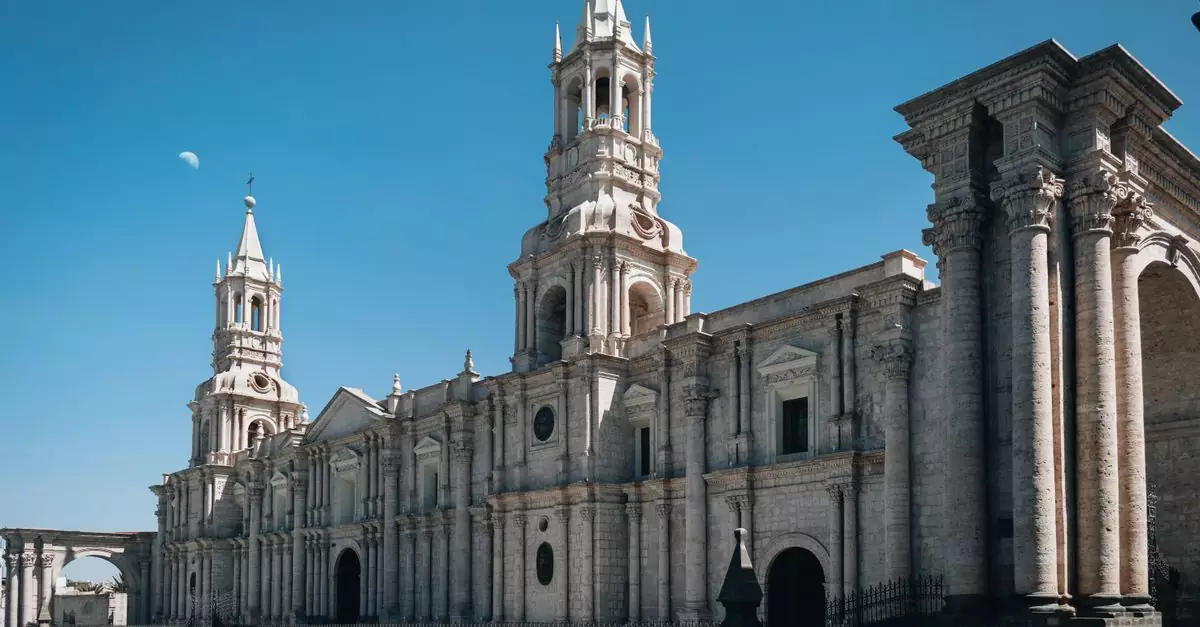
Buenos Aires pulsates with a European charm, earning its nickname “The Paris of South America.” This vibrant capital city offers a captivating blend of grand architecture, passionate culture, and lively street life. Travelers drawn to its sophisticated atmosphere and rich history will find a destination that feels both familiar and exhilaratingly new. The city’s distinct neighborhoods each offer unique experiences, from the colorful streets of La Boca to the elegant avenues of Recoleta.
Wandering Through the Colorful Streets of La Boca
The La Boca neighborhood is an explosion of color and artistic expression, most famously along the pedestrian street of Caminito. Here, brightly painted buildings house artisan shops, tango dancers perform for crowds, and the scent of grilled meat wafts from local parrillas. While the area is a photographer’s dream, it’s wise to stay within the main tourist zones, especially after dark, as some surrounding streets can be less safe. Visiting during daylight hours ensures a more comfortable and enjoyable experience.
Experiencing a Traditional Tango Show in Buenos Aires
No visit to Buenos Aires is complete without witnessing the passion and drama of a live tango show. The city is the birthplace of this iconic dance, and numerous venues offer performances ranging from intimate milongas (tango dance halls) where locals gather to dance, to elaborate dinner shows. For an authentic experience, consider a show at a historic venue like Café de los Angelitos or El Querandí.
Patagonia: Majestic Glaciers and Dramatic Landscapes

Patagonia, a vast region shared by Argentina and Chile, boasts some of the most breathtaking natural scenery in South America. Its dramatic landscapes are defined by towering granite peaks, immense glaciers, and windswept steppes. This rugged wilderness is a dream destination for hikers, climbers, and anyone seeking an escape into raw, untamed nature.
Hiking Torres del Paine National Park: Best Trails and Itineraries
Torres del Paine National Park, located in Chilean Patagonia, is world-renowned for its iconic granite towers and stunning glacial lakes. The park offers a range of hiking opportunities, from short, accessible walks to multi-day treks. The most famous is the “W” trek, a roughly 4-day circuit that takes you past the park’s most spectacular sights, including the base of the Towers, the French Valley, and Grey Glacier.
For those with more time, the “O” circuit is a longer, more challenging trek that circumnavigates the entire massif, providing a more remote and immersive experience. Shorter day hikes are also plentiful. The Mirador Las Torres trail, leading to the base of the iconic granite peaks, is a popular but strenuous option. Another excellent day hike is the Mirador Cuernos trail, offering incredible views of the Paine Massif’s distinctive horn-shaped mountains.
Planning is essential for visiting Torres del Paine, especially during peak season. Accommodation within the park ranges from basic campsites and refugios (mountain huts) to more comfortable hotels. Booking well in advance is crucial, as spots fill up months ahead. Transportation within the park involves shuttle buses and ferries to access different trailheads.
Exploring El Calafate and the Perito Moreno Glacier
On the Argentinian side of Patagonia, El Calafate serves as the gateway to the colossal Perito Moreno Glacier. This is one of the few advancing glaciers in the world, a massive river of ice that calves dramatically into Lake Argentino. Witnessing the thunderous roar as icebergs the size of buildings break off and plunge into the water is an unforgettable spectacle.
You can experience the glacier in several ways. Boat tours offer close-up views of the glacier’s immense ice wall, allowing you to appreciate its scale and hear the cracking ice. For a more active adventure, guided ice trekking tours let you walk on the glacier itself, equipped with crampons and guided by experts. Boardwalks and viewing platforms provide excellent vantage points for those who prefer to observe from a distance.
El Calafate itself is a charming town with a range of accommodations, from budget hostels to upscale hotels. It’s also a good base for exploring other nearby attractions, such as the Upsala and Spegazzini glaciers, accessible via boat tours on Lake Argentino. The town’s infrastructure supports a steady flow of visitors, making logistics relatively straightforward.
When is the Best Time to Visit Patagonia for Hiking?
The optimal time for visiting Patagonia, particularly for hiking and outdoor activities, is during the Southern Hemisphere’s summer and shoulder seasons. The peak season runs from December to February, offering the warmest temperatures and longest daylight hours—ideal for tackling challenging treks like the “W” or “O” in Torres del Paine.
However, summer is also the busiest and most expensive time to visit. Expect crowds at popular trailheads and accommodations. The shoulder months of October to November (spring) and March to April (autumn) present a compelling alternative. During these periods, you’ll find fewer crowds and potentially lower prices.
Spring brings wildflowers and migrating birds, while autumn offers stunning fall foliage, especially in certain areas. However, weather can be more unpredictable during these months, with increased chances of rain and snow, particularly at higher elevations. Patagonia’s weather is famously fickle, with four seasons often experienced in a single day, regardless of the time of year. Always pack layers, waterproof gear, and be prepared for wind.
Frequently Asked Questions About South America Travel
Is South America Safe for Solo Travelers?
South America is a diverse continent with varying safety levels, much like any other region globally. Many solo travelers visit safely each year by taking standard precautions. Researching specific destinations is crucial; cities like Cusco, Peru, and Buenos Aires, Argentina, are generally considered welcoming for solo adventurers. It’s advisable to stay aware of your surroundings, avoid displaying expensive items, and use reputable transportation services. Familiarizing yourself with common scams in tourist areas can also enhance your safety.
What is the Best Month to Visit Multiple South American Countries?
Planning a trip to multiple South American countries requires considering their diverse climates. For a balanced experience across varied regions, June to August often presents a good compromise. This period falls within the dry season for much of the Andes (like Peru and Bolivia) and is a good time to visit the Amazon. However, it’s winter in southern Patagonia, which can be quite cold. Shoulder seasons like April-May and September-October can offer fewer crowds and milder weather in many popular areas.
Here’s a brief look at seasonal considerations:
| Region | Best Time to Visit (Dry Season) | Shoulder Season |
|---|---|---|
| Andes (Peru, Bolivia) | May – October | April, Sept |
| Patagonia (Chile, Argentina) | November – March | Oct, April |
| Amazon Rainforest | June – November | Dec – May |
| Brazil | Varies by region | Varies by region |
What Are the Most Affordable Countries to Visit in South America?
When considering budget travel, several South American nations stand out. Bolivia is consistently ranked as one of the most affordable countries, offering incredible value for accommodation, food, and activities. Ecuador also provides excellent affordability, especially outside the Galapagos Islands. Colombia has become increasingly budget-friendly, with a wide range of options for backpackers and mid-range travelers.
While more expensive, countries like Chile and Uruguay can still be visited on a budget by staying in hostels, eating at local markets, and utilizing public transport. The overall cost of a trip to South America depends heavily on your travel style and the specific destinations you choose. For a comprehensive overview of the continent, explore resources from National Geographic.